Mayor McCabe suggests mixed results from annual AMO meetings
Posted Aug 23, 2023 03:40:06 PM.
Last Updated Aug 23, 2023 06:49:54 PM.
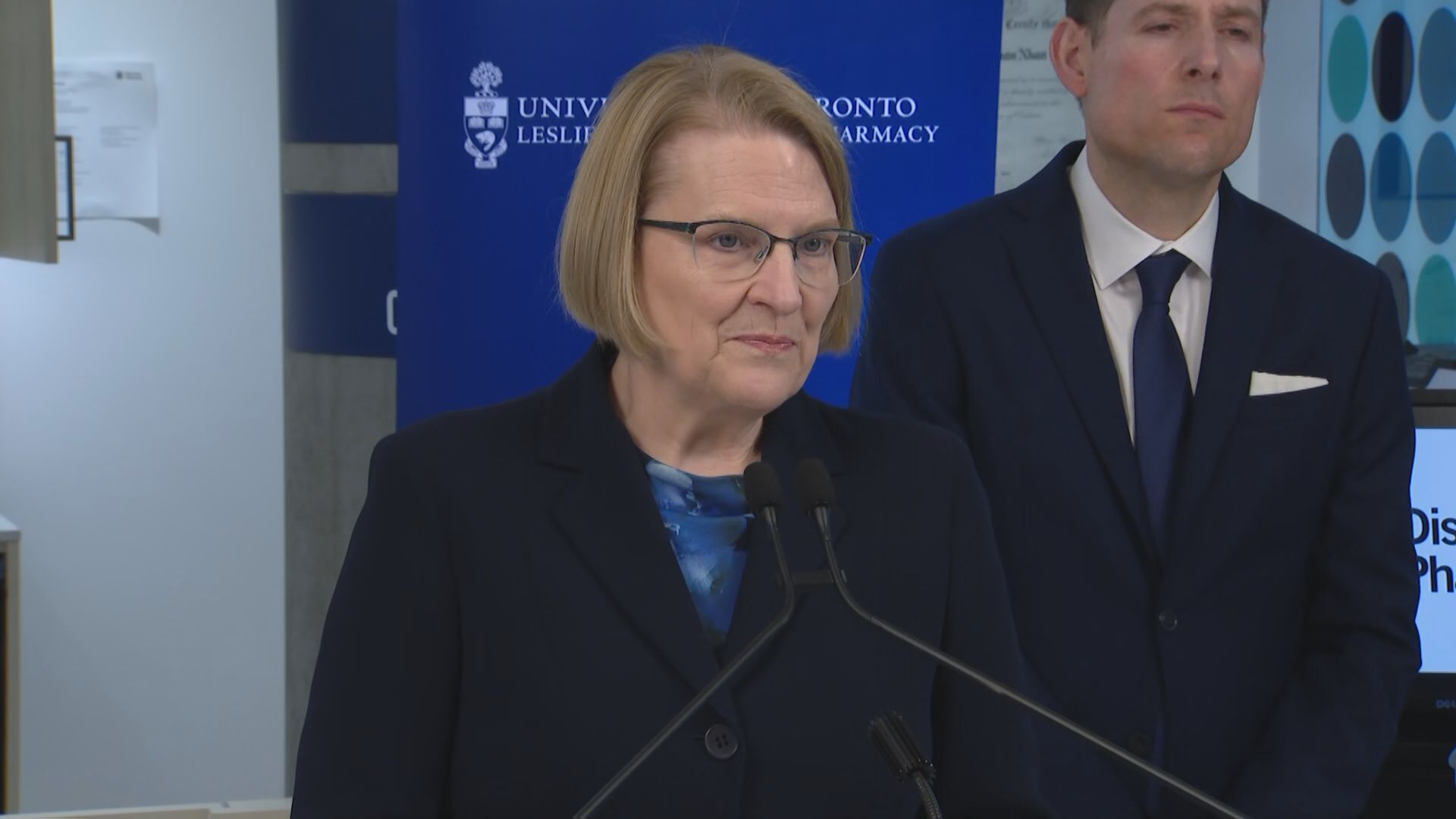
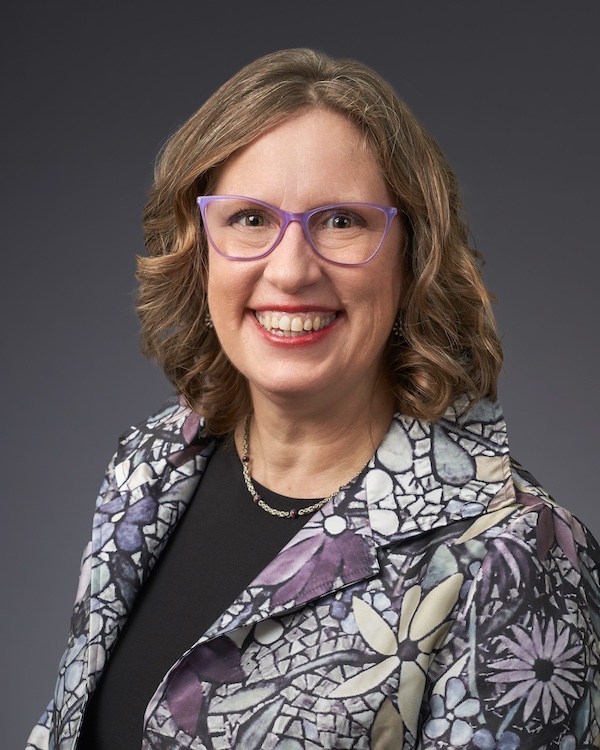
As the Association of Municipalities of Ontario (AMO) conference wraps-up in London, the mayor of Waterloo said she felt overall, things went well.
The annual conference brings together municipal leaders from across Ontario along with provincial decision makers, and Waterloo Mayor Dorothy McCabe said one of the main meetings for regional representatives was with the transportation minister.
Speaking on The Mike Farwell Show on Wednesday, McCabe said much of that meeting was focused on two-way, all-day GO train service connecting the Region of Waterloo and the Greater Toronto Area (GTA).
“Well, as [the province] has continued to say… that is certainly very much a work in progress,” McCabe said. “Ten years is a long time and we wish it was here already but the province is still working within the timeline that was originally set out.”
McCabe said there was also further discussion of adding more GO bus service as well.
“We need [that service] throughout the week and that includes weekends and it includes stopping at Guelph, or Stratford, or Hamilton,” she said. “It’s not just back-and-forth to Toronto but it’s to connect our neighbouring municipalities as well.”
“So I am hopeful that, as we start the school year back up again, that they will take a good, hard look at that.”
Disappointed on housing and development
While the Waterloo mayor said she left the meeting with the transportation minister feeling hopeful, she did not have the same to say for a sit-down with the province’s housing minister.
Specifically, she said she still has some serious concerns around the loss of development charges as a means of ensuring growth helps pay for growth.
“Ya, that, I was, I have to say… I would say disappointed,” she said, adding it’s still not clear how municipalities will be ‘made whole’, which was previously promised without detail by the province.
“We have a project that we paused in Waterloo, 800 homes, we would like to see this built out but it would be fiscally irresponsible for us as a council and as a corporation to move ahead with that project until we know how we’re going to pay for wastewater, pumping stations, roads, all that stuff,” she continued.
McCabe suggested the new program of housing targets and incentives seems to front load all the costs onto the cities with no guarantee they’ll get everything back.
She also said it’s not clear if the new system will mean cities competing with each other for that money.
“I, quite frankly, don’t understand that program,” McCabe said. “Why are we creating this new convoluted process where, partly, it’s going to pit municipalities against each other?”
“If Waterloo hits [its] targets quicker than another community, are we going to get access to more money? Is another community not? This shouldn’t be a zero-sum game.”
Provincial facilitator to begin work Sep. 11
Ontario’s Minister of Municipal Affairs and Housing Steve Clark has announced a regional facilitator will be appointed to Waterloo Region by Sept. 11.
“I’m happy to see this process move forward and am eager to support the facilitator’s work,” said McCabe, going on to then echo remarks from region chair Karen Redman that, “Waterloo region is a community and that we should not be broken up into parts.”
McCabe said she hopes the facilitator, along with regional residents, consider what kind of municipal structure will put the community in the best position to attract investment and talent, to care for the environment and our most-vulnerable, to build more homes, and to advocate its needs to both upper levels of government.
“I hope that all the options for municipal reform–including significant options for municipal reform–I hope that they’re all on the table,” McCabe said, maintaining though her desire would not be for a regional split.
“I don’t want to see that. I think we’re stronger together, we’re stronger as one,” she said. “This isn’t about turf and territory for me, this is about really looking ahead to 2030, 2040, 2050, and thinking–what does our community really need?”