Region takes next steps to address water capacity problem
Posted May 12, 2026 04:12:42 PM.
Last Updated May 12, 2026 04:17:39 PM.
The Region of Waterloo (ROW) marked an important milestone in its efforts to solve the water capacity problem.
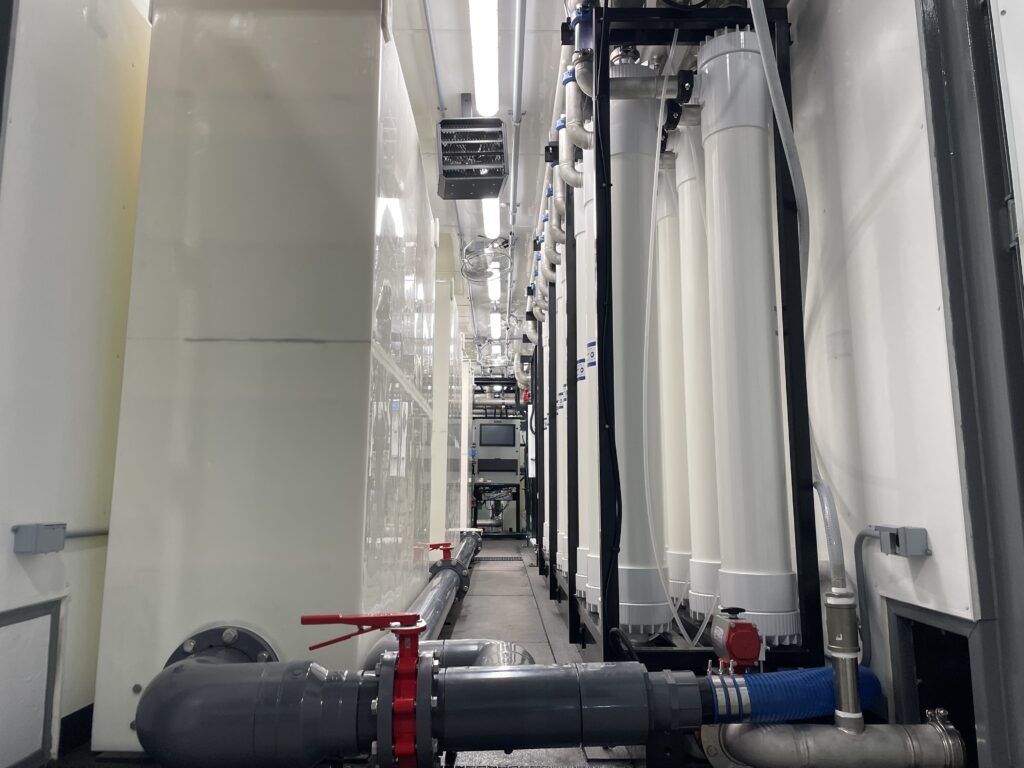
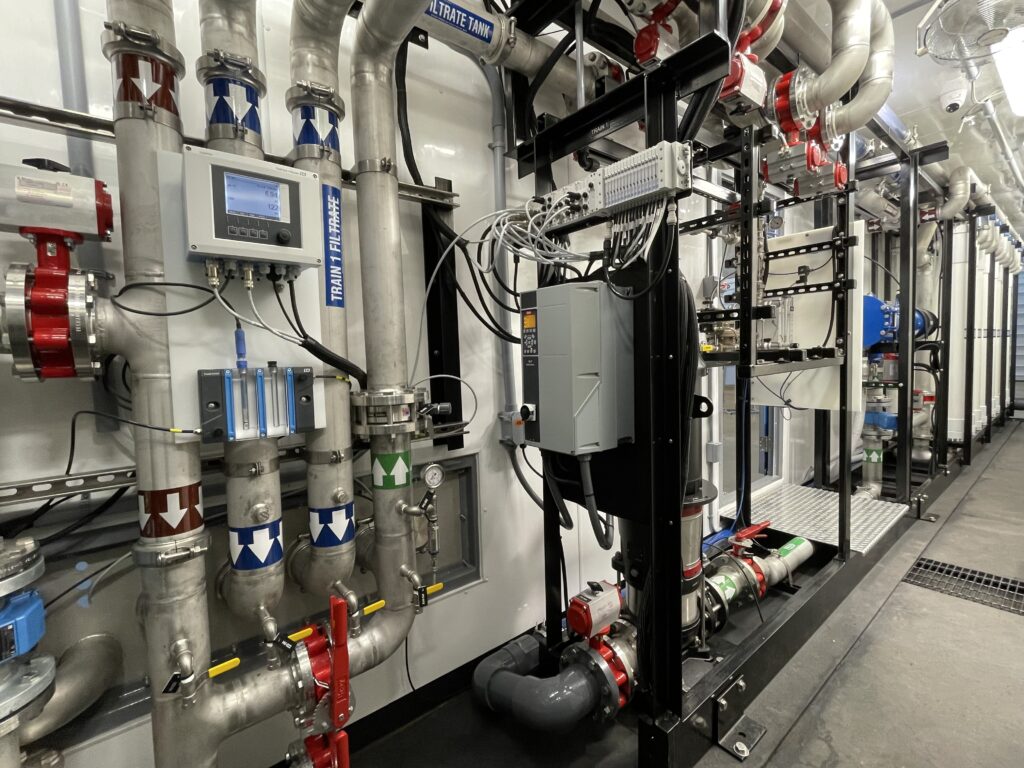
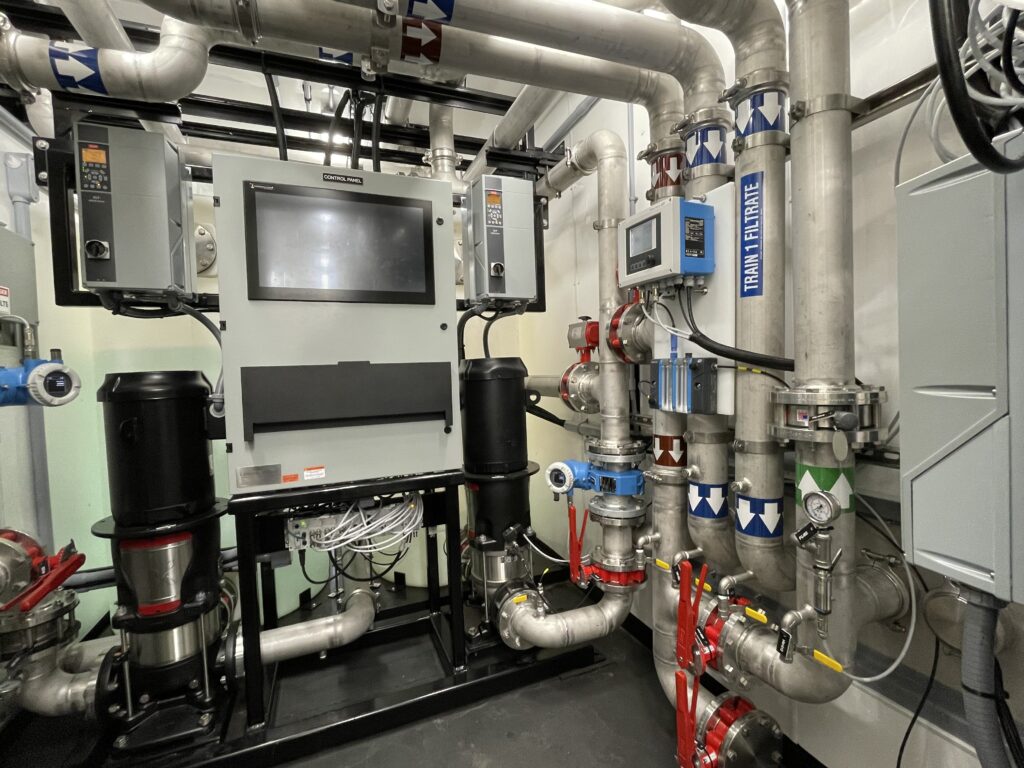
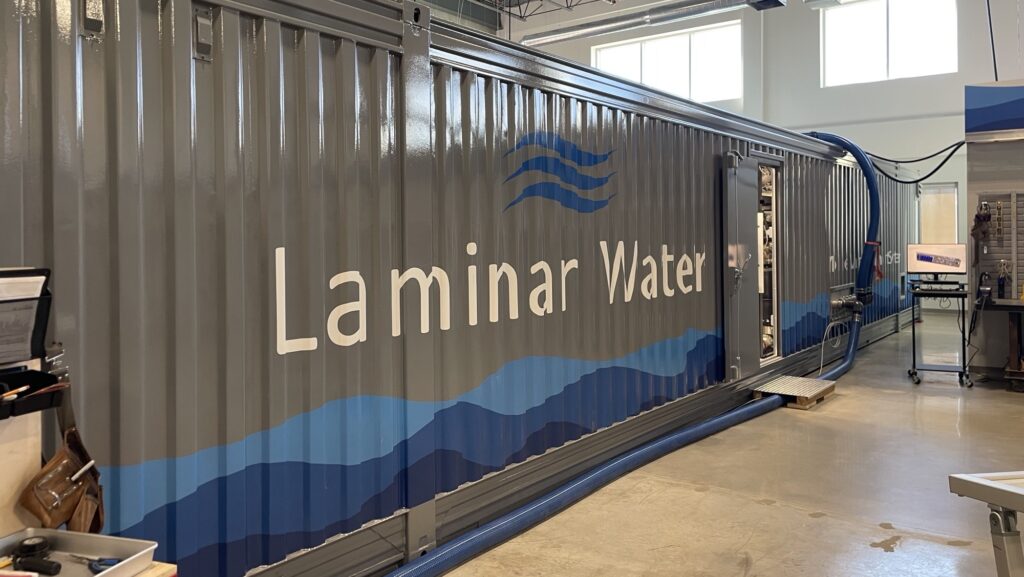
The first ultrafiltration unit was unveiled to dignitaries and gathered media on Tuesday at the Laminar Water production facility in Cambridge. Constructed in a 53-foot shipping container, the filtration units are easy to transport and can be deployed quickly.
The intention is to install several units at the Mannheim Treatment Plant. They will be used to bypass the infrastructure at the plant, causing the water constraint. This will allow for upgrades to be performed while not impacting the water flow, staff explained.
It will also cut the time it takes to complete the upgrades from the typical four-plus years to 18-months, reads a press release from ROW.
“This container provides advanced membrane technology that filters very fine particles from the water,” said Ken Brothers, Interim Commissioner, Water and Wastewater, ROW.
He went on to tell 570 NewsRadio that, in the simplest terms, the units will function like a coffee filter but on a larger, more high-tech basis.
“A micro-filtration system like this, the pores are a thousand times finer than that. The filtration system holds back all the turbidity, the sediment, some viruses, and the bacteria can actually be separated as the water moves through the ultrafine filters. What comes out at the end is pure water,” said Brothers.
Pilot project moving forward
The plan is to eventually install four units that will work in unison. Before moving forward, the first unit will operate as a pilot project.
“We’ll be testing the technology with the existing water in the Grand River to optimize the coagulants and some other pre-treatment things we’re going to do to create larger particles that the filters will be able to pick up, essentially,” described Brothers.
It was asked during the press conference how long the pilot will last: a few months was the best answer.
Should the pilot go as planned, another three units will be installed and up and running by next summer. That would bring the total capacity to 300 L/s.
The region’s press release reads, “In total, this solution could provide nearly half the new capacity needed to support forecasted growth up to 2032.”
Work is currently underway to prepare the site to support the 100,000-pound units. That work also includes the installation of piping and steel posts.
The first unit is expected to be delivered next month.