Currents, tides, surf: Attention raised on dangers across Canadian beaches
Posted Jul 14, 2025 01:33:15 PM.
Last Updated Jul 14, 2025 02:34:16 PM.
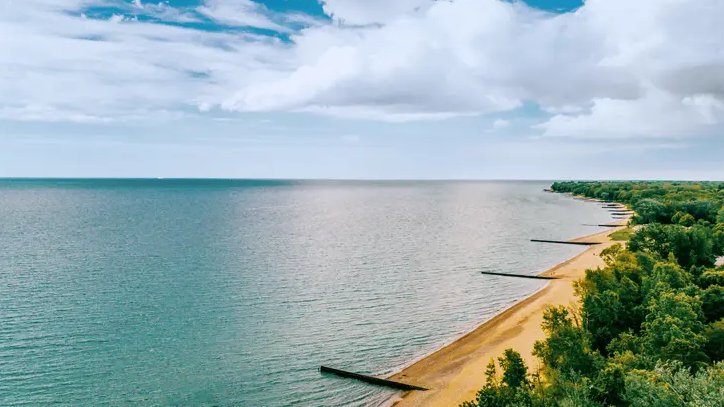
As beaches across the country remain one of the most accessible options for families to cool off during the summer months, some questions are now being raised about their overall dangers across Canada.
It comes as over 440 people reportedly drown each year across the country, with around 160 water-related deaths each year in Ontario alone.
Chris Houser, Dean of the Faculty of Science and Professor with the Department of Earth and Environmental Sciences at the University of Waterloo, says a lot of those dangers are focused around strong rip currents, high tides, and surf.
“We tend to think about rip currents as being an ocean thing. We use the term ‘rip tide,’ which means the ocean,” House stated. “In fact, they happen anywhere that you have waves that are breaking. When waves break, they throw water forward, and that water’s got to go somewhere.”
He said a combined strategy is needed between local municipalities, the provincial government, and the federal government to bring a more organized and structured system into place.
It’s the best way to make sure all areas of the country are on the same level when it comes to protecting those local beachfronts, he said, adding that there’s one key area that needs attention across the board.
“When we start to look at a national program, we need to put an investment into lifeguards,” House said. “Lifeguards are the key strategy by which you can reduce the number of drownings and also reduce the number of rescues because of the intervention that the lifeguards do.”
As of now, the current system primarily focuses on signs and flags posted on those beachside locations, but Houser said that isn’t enough.
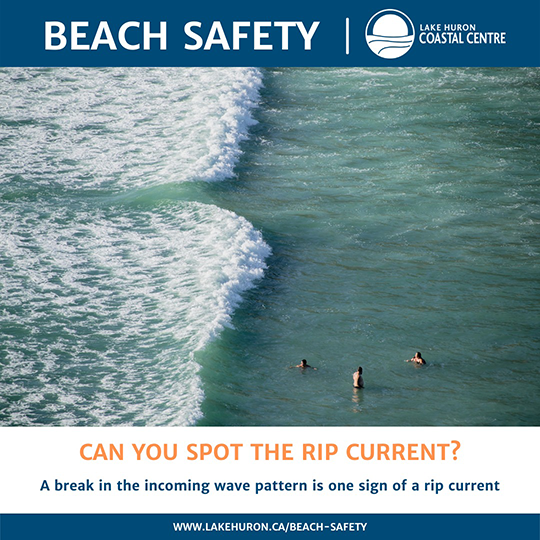
He mentioned that many see one or two people go into the water and believe it means they’ll be safe too, leading many to go into unsafe waters when they may not realize it.
“We need to build up that lifeguard base, but also build education associated with the hazards of open water,” Houser said. “As the waves start to break, this condition starts to get worse, then you start to see those rip currents, but the vast majority of people don’t realize that they’re in the Great Lakes.”
Houser said it’s becoming more important than ever to create a unified national safety system as weather conditions begin to worsen year-to-year, to prevent drowning numbers from heading in the wrong direction moving forward.