Region’s plans to clear encampment ruled unconstitutional — again
Posted May 22, 2026 04:00:32 PM.
Last Updated May 26, 2026 06:46:57 AM.
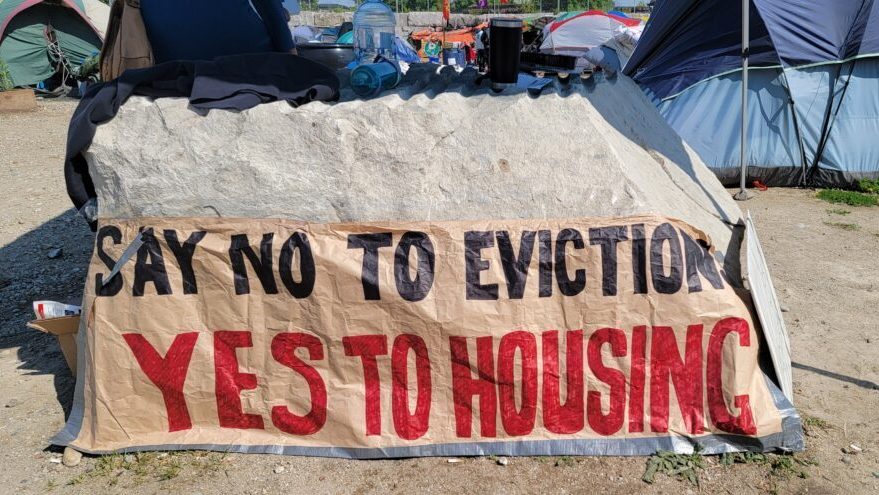
The Region of Waterloo will have some work to do if it hopes to lawfully clear the homeless encampment at 100 Victoria St., in Kitchener.
Ontario Superior Court Justice Michael Gibson, on Thursday, ruled the region’s site-specific bylaw and its amendments violated the charter rights of the residents, and therefore could not be enforced. The ruling comes about a month after court proceedings concluded with Justice Gibson reserving his decision to allow him time to fully consider the case.
The region has had its sights on the parcel of land for several years. It will be used to store equipment and supplies during the construction of the Kitchener Central Transit Hub at King and Victoria.
Construction is supposed to begin later this year.
The 88-page ruling detailed the reasoning behind Justice Gibson’s decision.

It boiled down to the fact that there simply isn’t adequate shelter space to accommodate the residents. That, coupled with bylaws that prevent camping on regional property, once evicted, some of the residents would have nowhere to go.
Ashley Schuitema, executive director of Waterloo Region Community Legal Services, told 570 NewsRadio this decision sets a new precedent.
“The judge found that it’s time to recognize homelessness as an analogous, charter-protected ground under Section 15. So, that means the governments are not allowed to discriminate against people because of their status of experiencing homelessness.”
Schuitema said really, this ruling shouldn’t have come as a surprise to the region.
“This is the third time the courts have told them what they need to do. I hope that the region will actually follow the advice of the courts and come up with a solution that’s human rights-based and respects the rights of the encampment residents.”
In 2023, Justice Michael Valente also ruled the bylaw unconstitutional.
Schuitema said while the ruling is welcome news for the residents, giving them some peace of mind for the time being, the region isn’t without options.
“The judge ordered the region can clear this property and can move forward with the construction of the transit hub as they want, as they intended, but there are things they need to do first,” said Schuitema.
“In order to be able to do that, they need to establish either a safe tenting protocol or they need to provide an alternative site for an encampment,” she added.
The cities of London and Thunder Bay have both established similar protocols. Judge Gibson’s ruling suggested the region take inspiration from those communities.

But the ruling went on to say that once an alternative site or protocol is established, the municipality could request a return before the courts. And it would be Justice Gibson on the proceedings.
Ford calls encampment ruling ‘cockamamie’
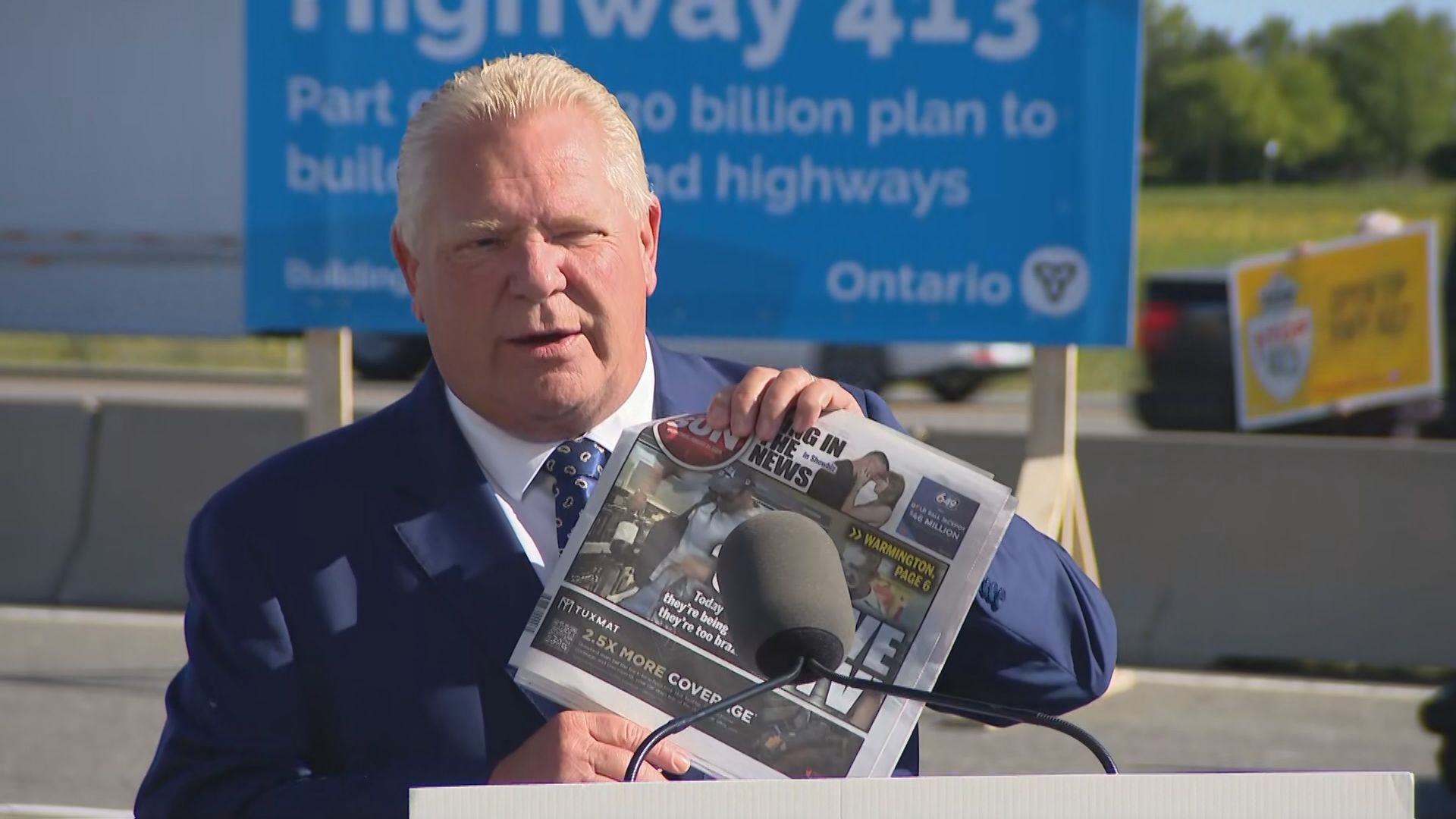
On Friday, Ontario Premier Doug Ford was asked about the ruling. He said he was on the phone late last night with Regional Chair, Karen Redman and “a couple of mayors up there.”
“He comes out with this cockamamie idea that they’re gonna hold up transit, so for what, 30 people, they’re going to hold up millions and millions of riders, communities and everything,” said Ford at an unrelated press conference in Sault Ste. Marie.
“The judge is saying that we got to hold up projects and everything,” he said. “I wish I could get that guy’s address, I’ll send 50 encampments in his backyard and see how he likes it.”
A statement to 570 NewsRadio from the Region of Waterloo reads:
“The Region has received the decision of the Ontario Superior Court regarding the 100 Victoria St. encampment. We are reviewing Justice Gibson’s ruling and will determine next steps in the coming days. We remain committed to providing outreach and supports to those experiencing homelessness across the region.”
Your Community