Canadian quakes not uncommon
Posted Jun 24, 2010 03:30:19 AM.
This article is more than 5 years old.
The earthquake that rumbled Waterloo Region on Wednesday is more common than you think.
Canada averages three or four earthquakes every day — more than 1,200 per year — but the vast majority can only be detected by the sensitive equipment that measures seismic activity.
The largest quake ever registered in Canada was a magnitude 9.0 that struck British Columbia in 1700. In the modern era, an 8.1 magnitude quake also struck in British Columbia, near the Queen Charlotte Islands, in August of 1949.
Yesterday’s earthquake was not entirely common for Waterloo Region. In fact, it was our fourth tremor in the past three decades. In 1980, a quake registering 3.0 shook the region and extended to Hamilton. In 1986, a quake measuring 5.7 struck in January. And our most recent was in 1998, when we felt the earth shake with a magnitude 5.4 quake.
Seismologist John Cassidy tells 570 News all of North America is being “squeezed” by the movement of tectonic plates, most of them in British Columbia. “Some of those forces are being transmitted all the way through the North American plate to these old faults in Ontario and Quebec,” Cassidy explains. “We do see small earthquakes through the region on a regular basis and we see these large and moderate earthquakes, typically decades apart, in eastern Ontario.” Cassidy says a 5.5 magnitude earthquake is just at the size that can cause some minor damage, depending on how close you are to it. While originally projected at a 5.5, the quake we felt yesterday was downgraded to a 5.0. “Eastern Ontario and western Quebec are in an active earthquake zone,” Cassidy says.
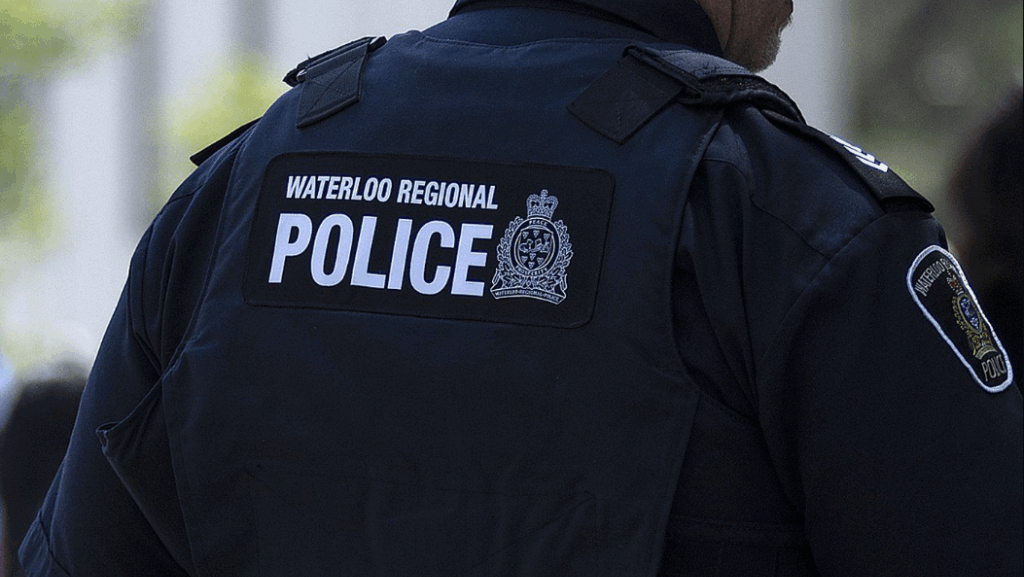
Regional police were also an active bunch in the hours after yesterday’s tremor. There is an emergency plan in place that is tested regularly, according to Sergeant Dave Reibel, Emergency Co-ordinator. “We deal with other community partners such as fire departments as well as other regional services like EMS and social services.” Scenarios are run on a regular basis to ensure these systems are adequate and ready to go when needed. Reibel is confident the region’s systems are ready for action when called upon but he’s quick to point out yesterday was not an emergency situation. “If there are no injuries or sustained damage or anything that someone sees as an issue that should involve police, people are encouraged to avoid calling 911,” says Reibel. Police were inundated with 911 calls yesterday, most to simply make police aware there had been an earthquake. Reibel stresses the importance of keeping the 911 line free for emergencies and nothing more.
Except for reports of one death in an earthquake in Montreal in 1732, nobody has ever been killed by a quake in Canada.
For a link to the ten strongest earthquakes ever recorded in Canada, click HERE.