‘They don’t have a clue how to run this’: GRCA board shares concerns over Bill 68
Posted Dec 1, 2025 07:13:47 AM.
Last Updated Dec 1, 2025 11:19:37 AM.
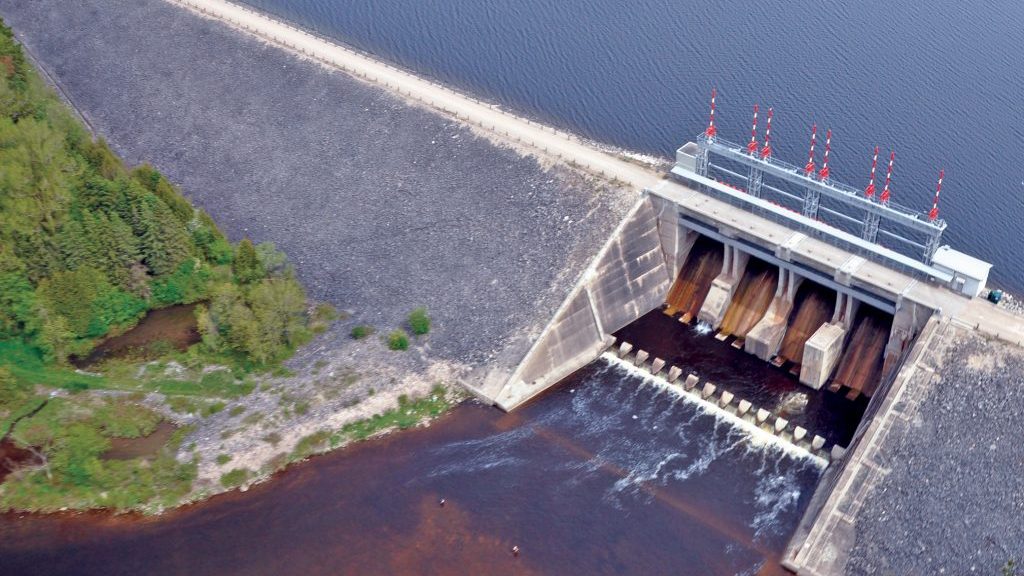
The Grand River Conservation Authority (GRCA) is working on its plan and sharing concerns over a new law that would see it combined with several other municipalities.
Bill 68, also known as the Plan to Protect Ontario Act, received royal assent on Nov. 27. Part of the bill includes changes to the Conservation Authorities Act, which would merge the 36 conservation authorities down to seven and would create a new Ontario Provincial Conservation Agency.
During the general meeting on Nov. 28, the board and its representatives brought forward concerns, including the size of the new area, fears of a lack of accountability and losing touch with local municipalities.
“The proposed consolidation also has implications for long-standing watershed investments, including near one billion dollars in water management infrastructure and more than 50,000 acres of conservation land that have been managed for decades based on watershed specific priorities,” said Samantha Lawson, the Chief Administrative Officer for the Grand River Source Protection Authority.
Sue Foxton, the mayor of North Dumfries, was more blunt on her opposition to the new law.
“In my opinion, they don’t have a clue on how to run this, or how to organize it, and they said that,” said Foxton. “The province has come around with some major things, and they’ve put their foot in their mouths and don’t know how to pull it out.”
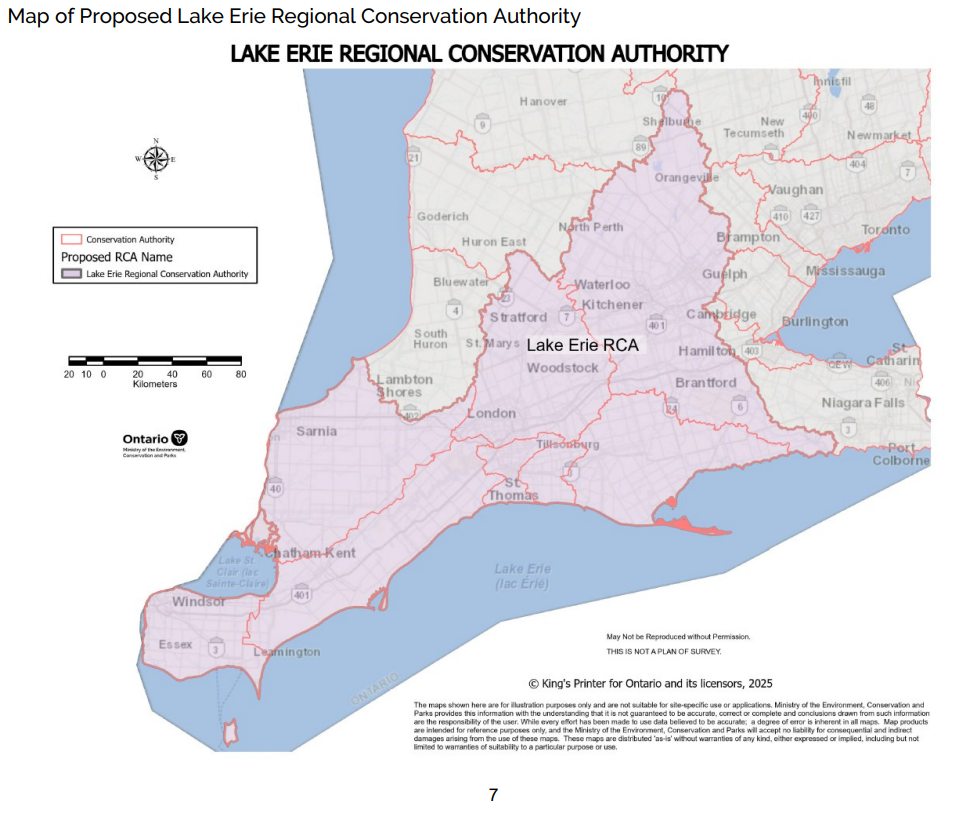
For the GRCA, it would mean they would be amalgamated into the Lake Erie Regional Conservation Authority. The new combined group would cover 81 municipalities, including systems that flow into Lake Erie, including the Grand, Thames and Sydenham. In total, it would cover 25,000 square kilometres.
When it comes to who will pay for the new agency, Christine Billings, representing the City of Guelph, said she has concerns with local conservation authorities, and in turn local municipalities, footing the bill, calling it “precedent-setting.”
“I see this as a very dangerous slippery slope,” said Billings. “So I was just wondering if we can be a little bit more forceful in what we are putting forward verbally in rejecting this idea that the CAs pay for this agency?”
When the announcement was made back in October, the province said the foundation of the new agency would be to modernize the system. In a release, it argued that each authority has different standards, fees and levels of staff, which has led to “unpredictable and inconsistent turnaround times for approvals across all conservation authorities.”
“Conservation authorities play a vital role in protecting our communities and managing our watersheds, but the system has become too fragmented, inconsistent and outdated,” said Todd McCarthy, Minister of the Environment, Conservation and Parks in the release.
“The new, dedicated agency would work with conservation leaders to ensure faster, more transparent permitting and more front-line services so we can reduce delays to get shovels in the ground sooner, support economic growth and keep our communities safe from floods and other natural hazards.”
The new boundaries have been released by the province, and local conservation authorities have until Dec. 22 to share their feedback.
Environment