Cambridge warming center closes for season as need persists
Posted Apr 6, 2026 03:22:36 PM.
Last Updated Apr 6, 2026 03:22:47 PM.
As much as we would like them to, the seasons don’t abide by our calendar.
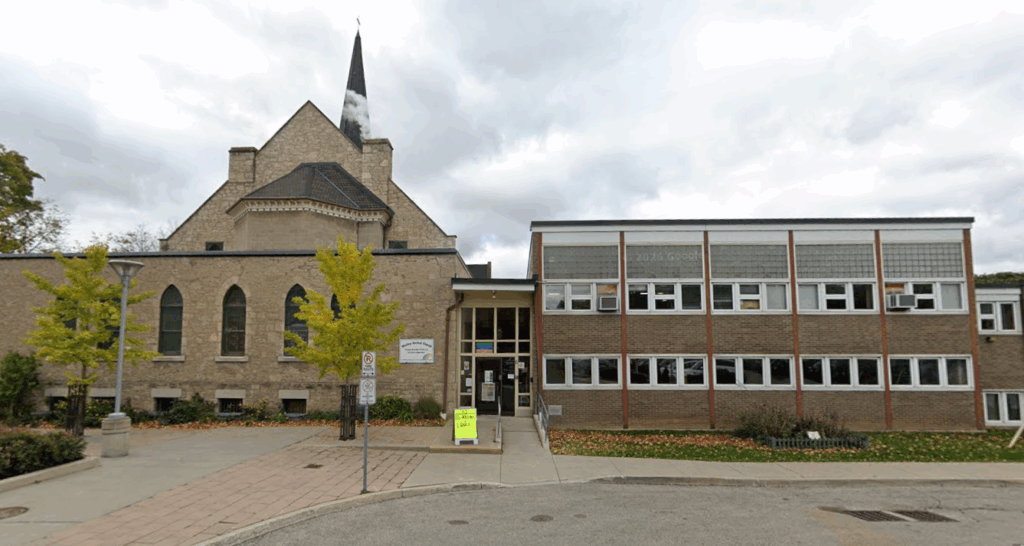
So when the men’s warming center at 6 Cambridge St. closed on March 31, it left those using the services literally out in the cold.
Between November and April, Porchlight Counselling and Addiction Services operates the warming center, providing a safe place for unhoused men to get out of the elements, have something to eat and get some sleep.
But come April 1, the center’s doors are locked.
“With the center closed, April is actually one of the hardest months for people who are unhoused,” said Cameron Dearlove, Executive Director at Porchlight. “People often think about the winter and of course, getting out of the elements, risk of frostbite and things like that. But the spring can be very difficult when you think about the rain and the mud.”
He pointed out that there isn’t enough shelter capacity to take in the people who were being served by the warming center, so they will simply go unsheltered.
Both the Porchlight warming center and the Cambridge YWCA women’s shelter are at or over capacity every night. Both describe having to make the heartbreaking decision to turn people away.
“This is our second year running the warming center. We have capacity for 30 people to sleep. We have capacity for more people to be inside, but we have just enough space for 30, basically, camping mats for people to sleep on,” said Dearlove. He went on to say, “We would see between 45 and 55 people a night. There were a few nights with up to 58 people. So thinking about that, that’s not the number of people living unsheltered, that’s the number of people that came to the warming center. So there are likely more folks out there.”
Where to go from here
But Dearlove believes there are solutions to these problems.
“I think when it comes to shelter spaces like this, looking at warming centers as a year-round option would be the biggest thing we could do in the more immediate term.”
Dearlove says when it comes to the long term, the direction has already been set, “it’s following the Plan to End Chronic Homelessness that the region has created. That includes funding it and growing the system to meet the needs. And then focusing not on just immediate shelter needs but what are the long-term housing needs that we need to build out in this community so we can really tackle this problem.”