Police use DNA to link serial killer in the deaths of 3 women over 15 years
Posted Dec 11, 2025 05:21:00 AM.
Last Updated Dec 11, 2025 02:35:40 PM.
Toronto police have identified a man responsible for the deaths of three women in the 1980s and 1990s, and investigators believe there could be more victims.
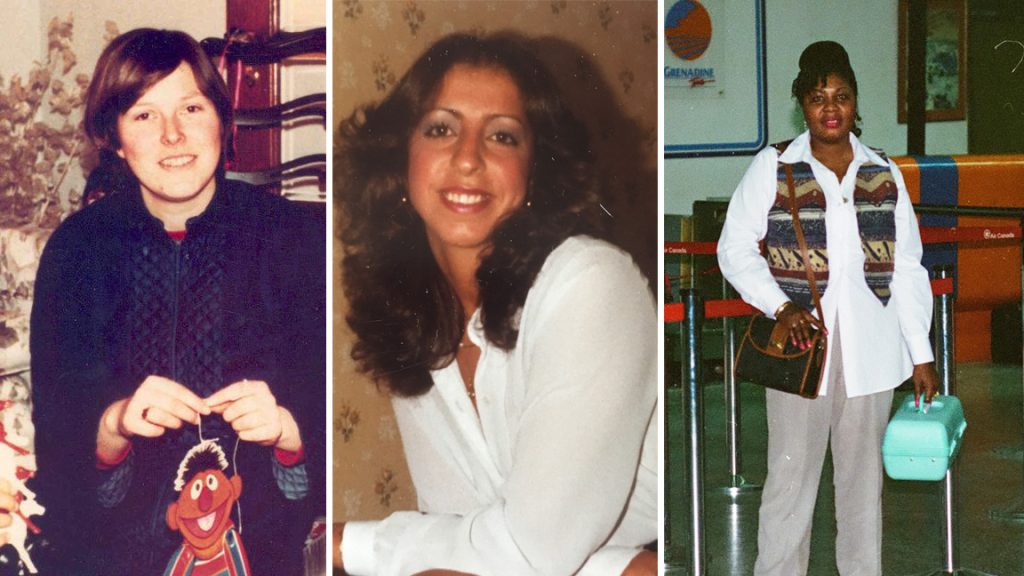
Investigators say DNA evidence has tied Kenneth Smith to the deaths of Gracelyn Greenidge, Claire Samson, and Christine Prince.
Prince, who was from Wales and was working in Toronto as a nanny, was 25 at the time her body was discovered in the Rouge River near the Toronto Zoo on the morning of June 22, 1982. Investigators say she had been sexually assaulted, beaten and thrown in the river. She was last seen riding the streetcar on St. Clair Avenue West near Bathurst Street just after 1 a.m. on June 21, according to police.
Samson was 23 years old when she was last seen in front of the Essex Hotel on Jarvis Street on September 1, 1983, getting into a car with an unknown man. Her body was found the following day in a wooded area near Highway 93, just north of Barrie. She had been shot in the head with a small-calibre gun.
Greenidge, who was 41 at the time of her death, was discovered by a co-worker in her apartment at 50 Driftwood Avenue on July 29, 1997, after she failed to show up for her shift as a nursing assistant. She died of stab wounds.
Police say the women were not known to each other, calling it “crimes of opportunity.”
Investigators say there were no significant leads in any of the cases until 2016, when a DNA link was discovered in the deaths of Prince and Samson. A year later, another link was established in Greenidge’s murder in 2017.
“Surprisingly, investigators found no personal connection between Christine and Claire. No one in their lives linked them together, and even the manner of their death was different,” said OPP Chief Superintendent Karen Gonneau. “The only thing that linked them was the offender’s DNA.”
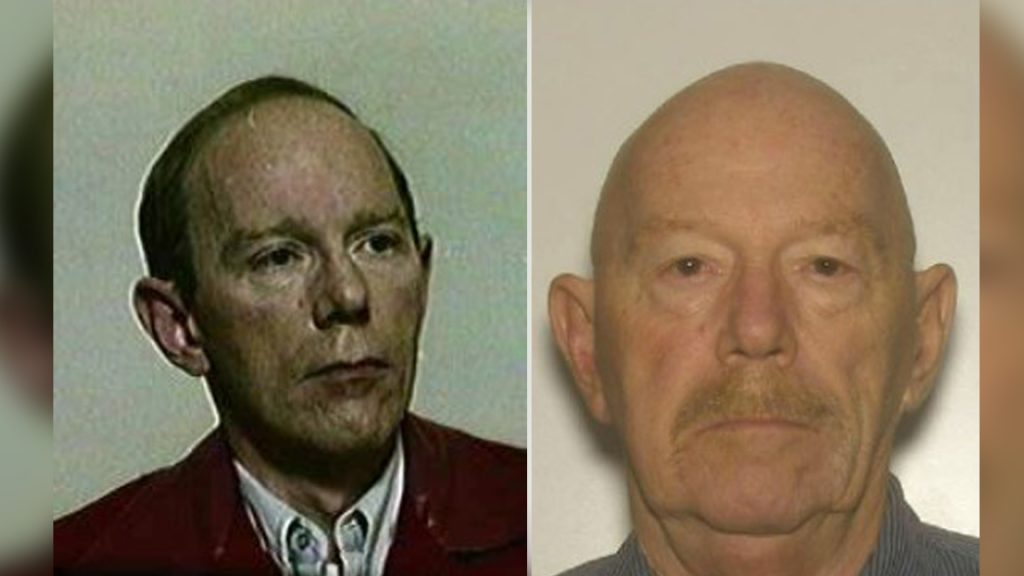
Smith wasn’t identified as the suspect in all three murders until November 2025, when his DNA was tested against samples previously collected at the three crime scenes.
“This case had haunted our office,” said Det. Sgt. Steve Smith of the Cold Case Unit. “When you have an unknown DNA profile and no matches on the National DNA databank, it’s looking for a needle in a haystack.
“We had such a complex mixture of DNA, and it wasn’t until 2025 that we were able to deconvolute the mixture and get it up onto the database that we needed to identify our offender.”
Police say Smith died in 2019 at the age of 72 in Windsor. Investigators say he lived and worked in Toronto during the time of the murders, and while he was known to police and had a history of sexual assault, he was not initially considered a suspect in each of the individual cases.
“His death means he will never be held to account in a court of law, and we recognize the impact that has on families who have waited so long for justice,” said Toronto police Deputy Chief Robert Johnson.
Investigators believe there may be additional victims and are asking anyone with information about Smith to contact police.
Det. Smith added that this case highlights the advancement of genetic testing. Cases like these “would never have been solved without this technology,” he said.
“It makes all the cases that have previously been unsolvable now solvable.”