University of Waterloo researchers develop bacteria to eat cancer tumours
Posted Feb 25, 2026 04:15:01 AM.
Last Updated Feb 25, 2026 10:17:51 AM.
Eating cancer tumours from the inside out: that’s the main thrust of a new development from a team of researchers at the University of Waterloo.
Chemical Engineering Professor, Dr. Marc Aucoin, tells 570 NewsRadio that while bacterial treatment for cancer is not new, he and the team have found a way to use a bacteria that only thrives in a zero-oxygen environment, specifically the inside of a tumour.
“That’s another tool in our arsenal against a very complicated and deadly disease. It won’t be the cure-all, but it will be another tool in the toolbox, and we need all the tools we can get,” Aucoin said.
The bacteria being used here, Clostridium sporogenes, are found in common soil.
Aucoin said their research shows they can inject it into a patient near a tumour, and while it won’t grow in blood, which is full of oxygen, once it finds the tumour, it takes hold.

“The tumour’s a nice little spot where it’s nice and cozy for this bacteria, and so once the spore gets into that spot it realizes hey, this is a great place to grow, and starts colonizing that area,” the researcher explained.
The spore can eat away inside the tumour, and thanks to some DNA modification, it’s also strong enough to withstand some of the oxygen in the blood at the edges of the tumour, he said, so it can eat away at the entire growth.
A clinical trial is perhaps three to four years away, depending on continued funding, and cancer patients could receive treatment based on their research in about five years.
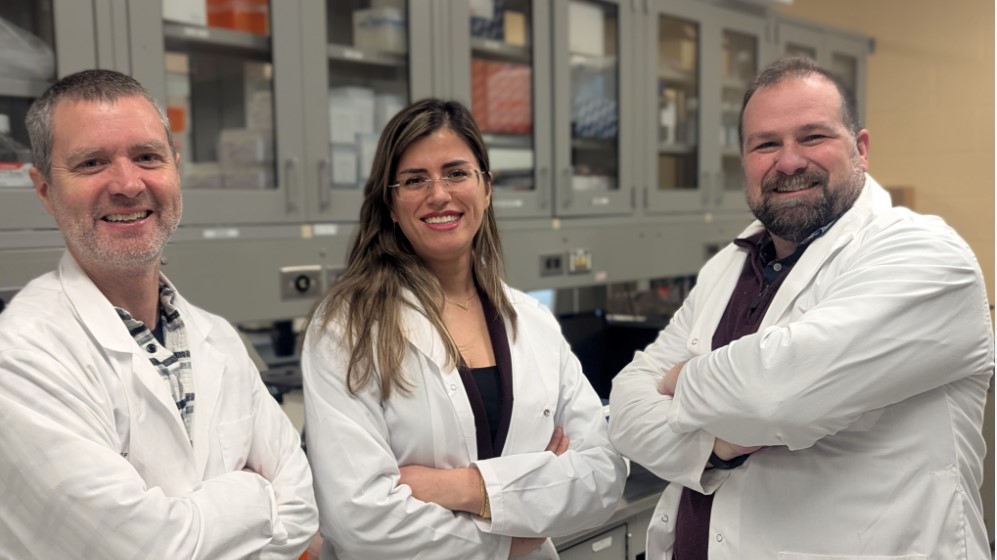
He said getting to this point in their work was years in the making, with work from a whole team of people, including PhD student Bahram Zargar, and Dr. Sara Sadr, a former Waterloo doctoral student who had a leading role in their research.
Health