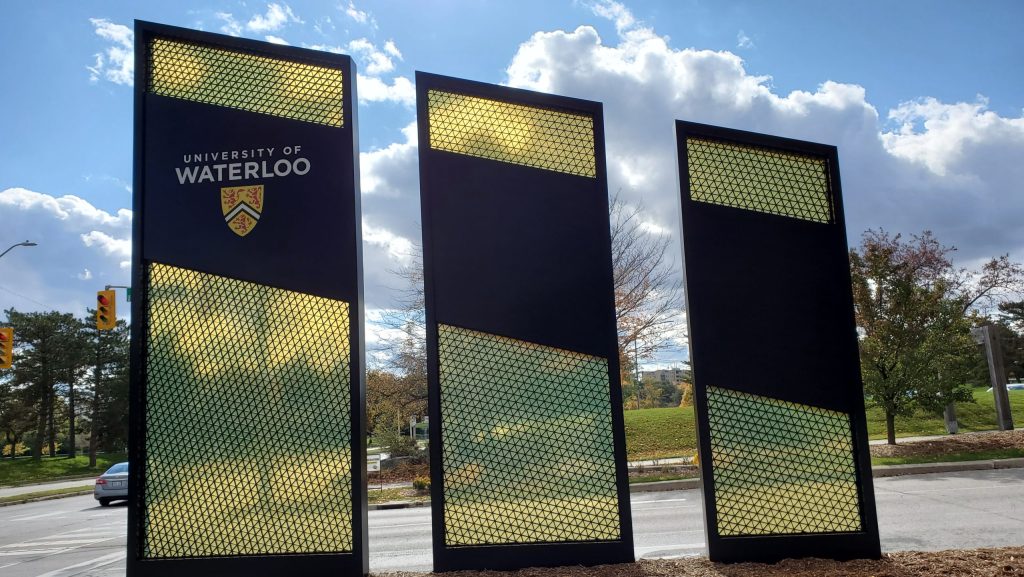
Computer science grads can’t find work, AI likely to blame: UW expert
Posted Oct 16, 2025 06:01:49 AM.
Last Updated Oct 16, 2025 10:34:30 AM.
It’s become a common sight in Waterloo Region: new computer science graduates looking for work and not finding it in a place home to one of the world’s fastest-growing tech sectors.
Getting that first job, especially when it comes to programming positions, is getting harder, according to one expert at the University of Waterloo.
“Getting a computer science degree used to be basically a ticket to a great job; you would almost for sure find a job, it would usually be fairly highly paid. That no longer seems to be the case,” said Associate Professor of Economics Joel Blit.
When it comes to why these grads aren’t getting hired, Blit said it’s not clear, but artificial intelligence (AI) is a likely culprit.
“That is what you would expect with AI,” he said. “AI seems to be replacing some of those entry-level jobs in areas like programming.”
Blit says it doesn’t mean the end of computer science jobs, just a shift in what the work looks like.
“I don’t think that computer science jobs are going to disappear; I think there is going to be a bit of a rebound. I think there is always going to be demand, it’s just that the job might switch a little bit … the students that are going to be most successful are going to be the ones who are able to use AI.”
Blit adds that students need to get as much experience as possible before graduation through either internships or co-op programs, and get their faces out there with extracurriculars and networking events.
“Especially in this age of AI, you can now develop all kinds of applications, and you can think about launching your own company or doing something along those lines. So there are actually a lot of opportunities on the entrepreneurship side for these students if that’s the way that they want to go.”
The most recent data from the University of Waterloo shows that 96 per cent of computer science students find a job within six months of graduating, something Blit credits to the co-op program at the institution.
“I think the total demand for programmers and people developing software is going to be fairly high, especially as we become more efficient at developing AI tools.”
This past summer, a CIBC report found youth unemployment (ages 15-24) was at the highest rate since 2010, at 14.6 per cent.