‘We don’t run a cash grab program’: Region discusses speed cameras
Posted Sep 10, 2025 07:40:09 AM.
Last Updated Sep 10, 2025 11:16:41 AM.
Is the Region of Waterloo’s speed camera program simply a cash grab or a powerful tool to make the community safer?
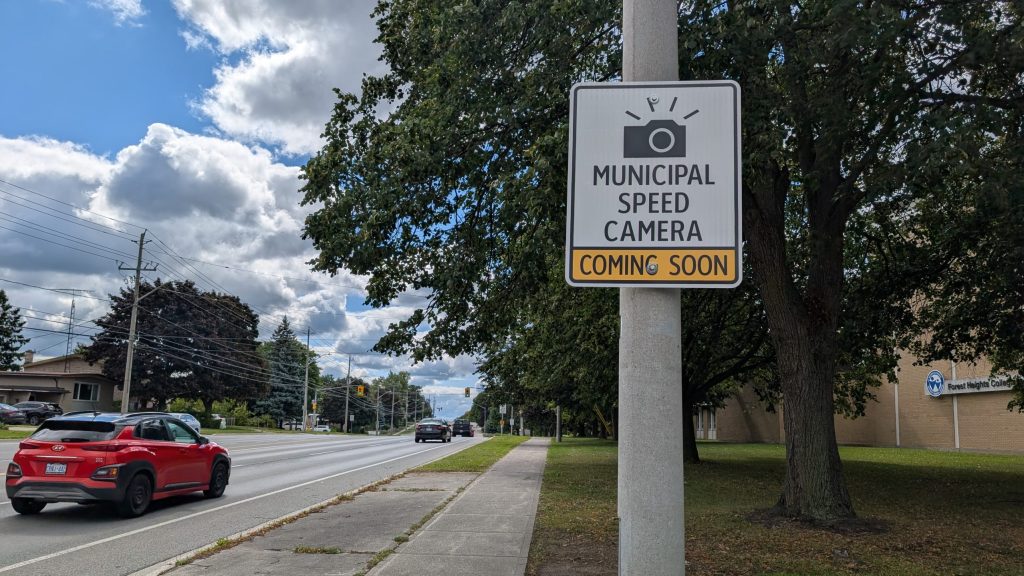
Committee members discussed how the speed camera enforcement program progressed in its first six months of operation at a meeting on Tuesday.
Last month, it was reported that the region recorded two million instances of speeding and handed out more than 55,000 tickets since the program was brought online in February. Seventeen speed cameras are currently operating in school zones around Waterloo Region, with plans to bring another 11 into service this fall.
According to regional committee members, some residents have complained about the program, calling it a “cash grab.”
“People around the horseshoe, but also people in the broader community who are using terms like ‘nanny state’, and this is a ‘cash grab’, I hope they look at these numbers and realize this is absolutely not. This is about the safety of our most vulnerable, including little kids to older adults and everybody in between,” said Waterloo Mayor Dorothy McCabe.
The average cost of a ticket handed out by the Region of Waterloo through the speed camera program is $108, though it has given at least one ticket for more than $2,000.
“We don’t run a ‘cash grab’ program,” Acting Transportation Commissioner Doug Spooner joked.
More on speed cameras
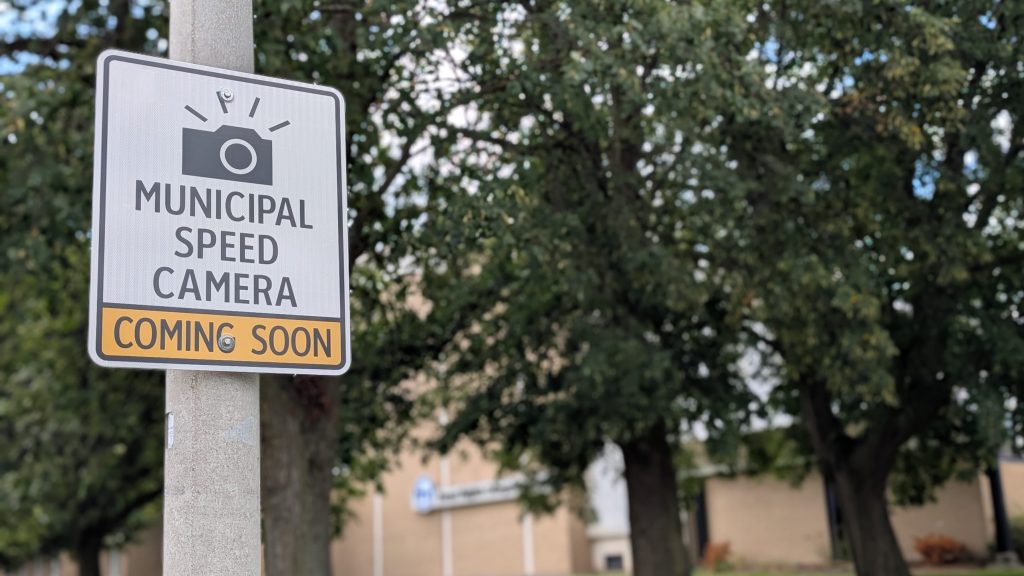
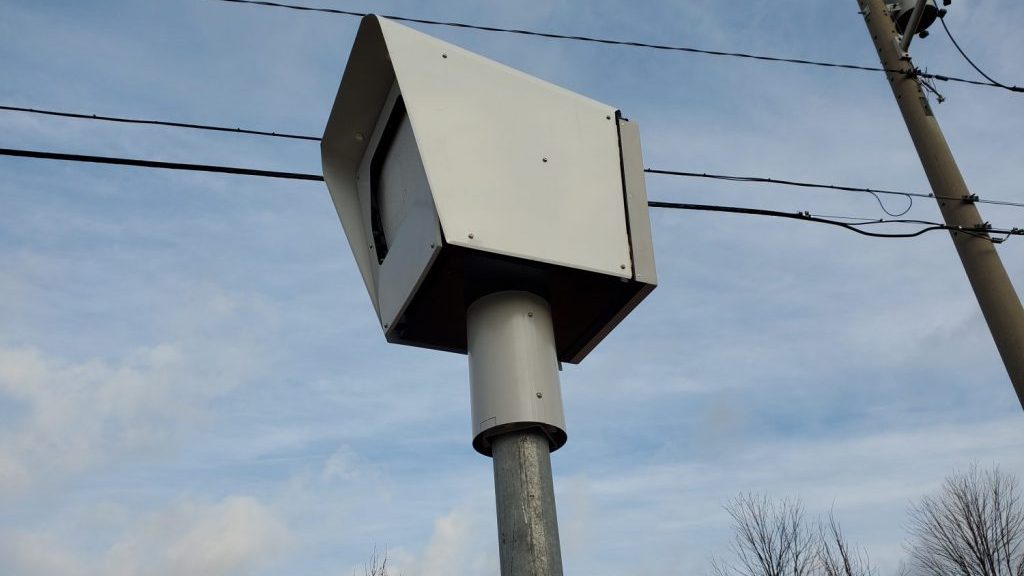
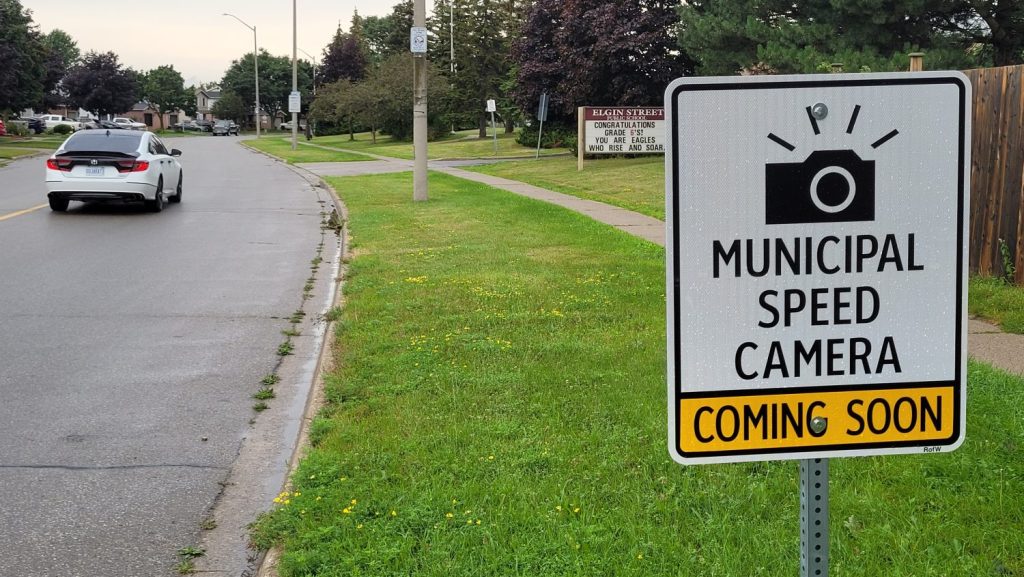

Spooner explained that the funds generated by the speed camera program will be funnelled back into road safety, funding infrastructure like roundabouts, speed bumps, and traffic bollards.
“This is a bit of a virtuous circle. We want people to stop speeding. You’ve got the statistics that they are now slowing down, and the money that is gathered by people who do get tickets goes towards traffic calming. That circle is really positive,” said Regional Chair Karen Redman.
Kitchener Mayor Berry Vrbanovic has been a vocal critic of the speed camera program since before the cameras were installed, and again shared his concerns on Tuesday.
“When people are stunt driving, and a police officer stops them, we have all of those other issues and fines. When people are also speeding significantly, they usually have a conversation with a police officer, and that also ends up being a very educational experience for most drivers,” said Vrbanovic.
He was also concerned about the cameras being vandalized, responding to a string of incidents that happened in Toronto on Monday night, where at least 16 speed cameras were cut down in the span of a few hours.
The region’s contract with the private company that operates the cameras includes a stipulation that means the region only pays when the cameras are running, Spooner said, so if a camera was destroyed or taken out of operation by vandals, they wouldn’t pay until the camera was fixed.
Committee members also highlighted the discrepancy between the two million instances of speeding recorded and the 55,000 tickets doled out, to which Spooner explained that there is a hidden threshold under which a ticket won’t be issued.
“There’s obviously a threshold, council is aware there’s a threshold, that threshold is not public because I don’t want to reset the speed limit, but there are some instances of speeding within that threshold that are allowed within this program,” he said.
Vrbanovic noted that he would prefer that the threshold be made public for the purpose of transparency.