With fourth dose eligibility set to expand, experts say we still need to be putting focus on shot three
Posted Apr 6, 2022 08:00:00 PM.
As the province announces it's expanding access to a fourth shot of the COVID-19 vaccine to include anyone aged 60 and over, experts say there's still a lot of work needing to be done to get more people to roll up their sleeves for shot number three.
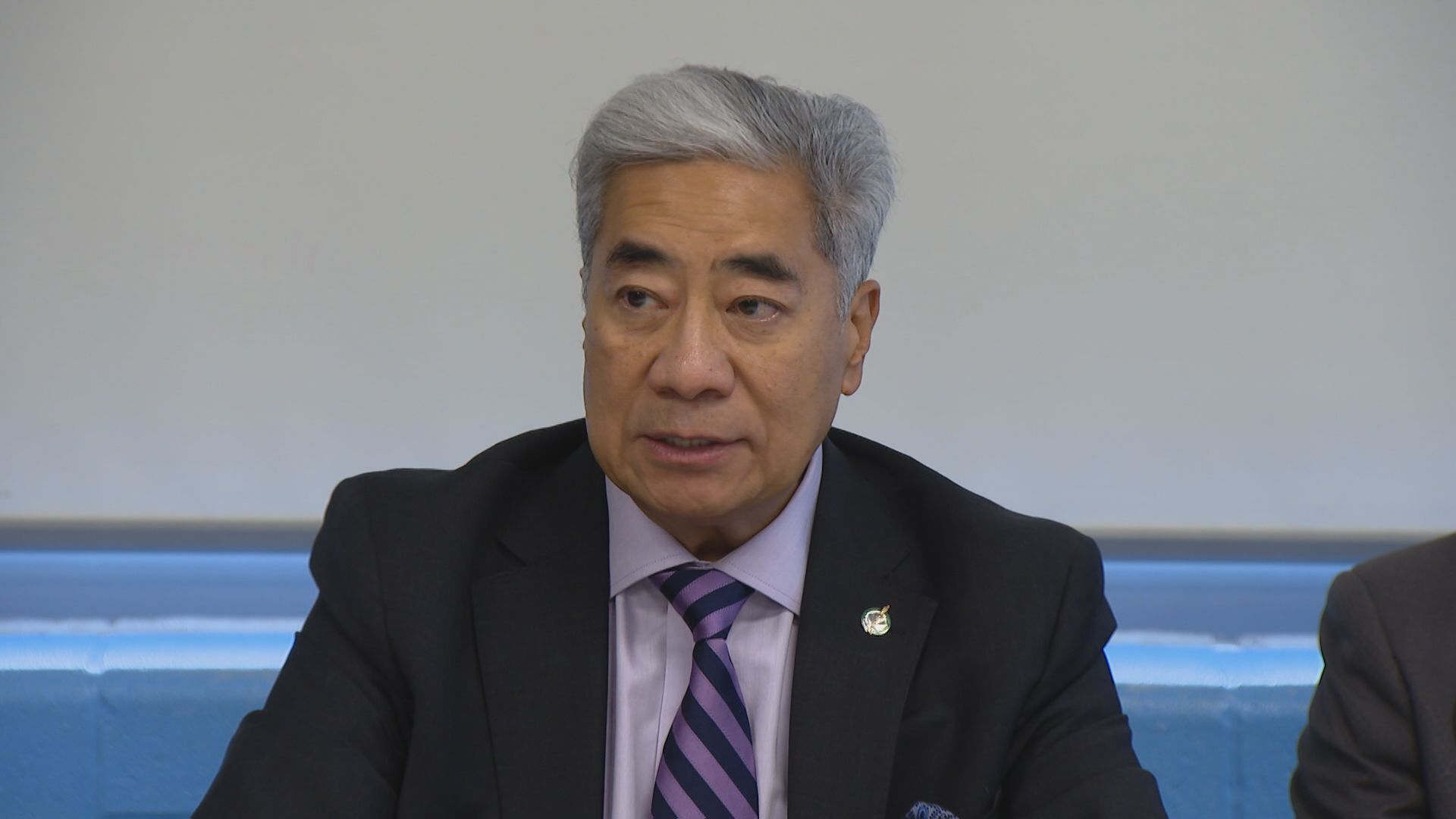
“Even though they're announcing the fourth dose tomorrow, it's a reminder to all the people who are eligible for the third that you're still eligible for that third and it's really important now as we head into the sixth wave that you go out and get that third dose,” said Kelly Grindrod, Professor of Pharmacy at the University of Waterloo.
As Ontario hospitals once again start to see an influx of patients with COVID-19 including an apparent surge in the number of sick children, stats show fewer than half of all Ontarians have had a third shot.
“People are recognizing the numbers are going up really, really quickly, including hospitalizations,” said Grindrod. “I'm hopeful we see people going out [to get a third shot] but it's a struggle, at this stage of the pandemic it is a struggle.”
With the province starting to expand access to fourth doses for those more susceptible to severe sickness, Grindrod says we do need to ensure we continue to push third shots for those who've yet to get one.
“Specifically with Omicron which is a sneaky variant that can sneak past some of the immunity you get either from a past infection or from vaccination, three doses really is what you need to get that protection against severe illness, hospitalization, and death,” she said.
As long as the Omicron variant is present, Grindrod says people who are at higher risk of becoming more sick will likely continue to see relatively frequent and targeted boosters offered to them. For younger people who already have three doses, the next booster may not be needed until the Fall.
“But yes I think we can expect, very much like the flu shot, at least for the next hand-full of years and at least annually, we're going to be getting new versions of the COVID vaccine that come out to give us broader and broader immunity,” Grindrod said.
That means, as the virus continues to change, we need to make sure we stay up-to-date on our vaccinations.
“I think what we're seeing right now is just people feel done, they want to be done even if the virus itself is not done,” said Grindrod. “And so people are getting sick, right now a lot of people are either sick or they know someone who is sick.”
What's understandably proven frustrating for many people though is the change in messaging from the start of the pandemic. In the beginning the public was told a vaccine would likely mean we get to go back to normal life. Now though, two-plus years later, we're talking about yearly boosters.
“Is the pandemic going to end in a year, at this stage, probably not,” said Grindrod. “Is it going to be done in ten years, probably, but when between then is it going to end we don't really know because we've never lived through a coronavirus pandemic before.”
“So it turns out the viruses in a coronavirus pandemic change and you need to be adaptable and a lot of our public health messaging early on maybe didn't know that yet.”
She says the messaging once again needs some change, especially as many new infections are actually reinfections.
“We actually think a lot of people put off that third dose because they got COVID so they're actually due for their third dose right now,” Grindrod said. “A lot of what we are seeing with infections now are reinfections of those people who did get sick in December, January, even last month.”
“So do we want to be getting COVID now two, three, four times a year?” she asked. “And that's a new question early in the pandemic we weren't really contending with — it was just survive it if you get it.”
“Now it's how many times do you want to get it and how sick is it going to make you.”