‘May never recover’: Region debates pulling surplus water from Wilmot
Posted Feb 26, 2026 07:43:07 AM.
Last Updated Feb 26, 2026 11:44:28 AM.
Discussions around Waterloo Region’s water capacity issue continue to pour in, with talks now flowing to Wilmot Township as the region looks to tap into its wells and surplus water.
The move stems from a motion that would pull excess water from Wilmot Township’s supply, using it as part of a short-term solution to the supply shortage at the region’s Mannheim Service Area.
That would be done by bringing water deemed as being in surplus across the township, taken from its series of wells and groundwater sources. It would mean water access would immediately increase by as much as 30 litres per second.
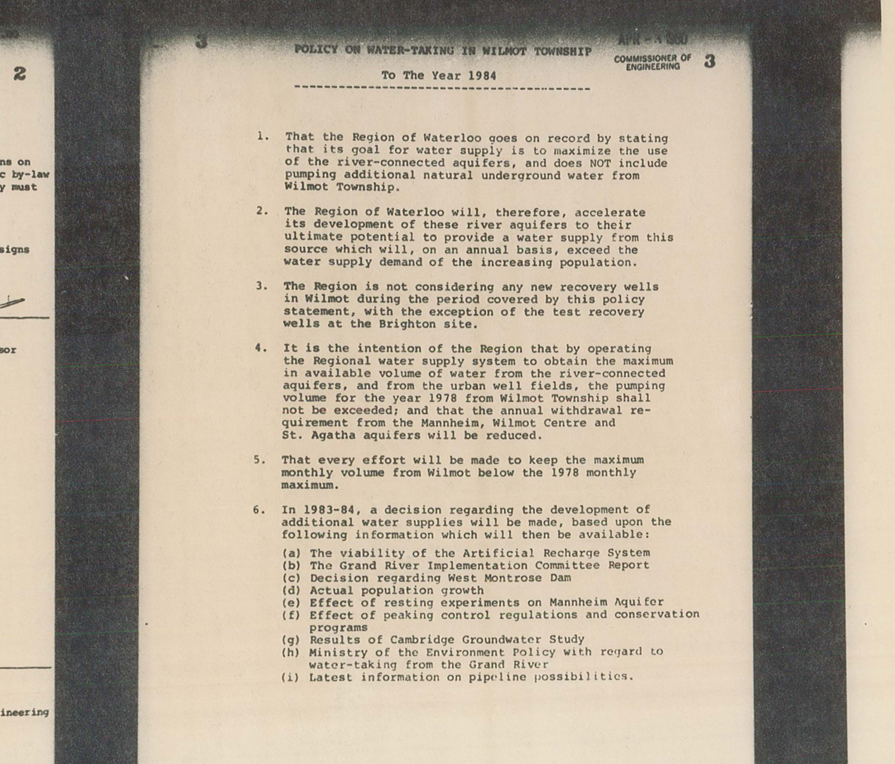
While it seems like an easy move on paper, there is complexity when it comes to how the region would access it, needing to approve a temporary suspension of an almost five-decade-old policy to achieve it.
The policy was passed in 1980 and was designed to put limits on the amount of water that could be taken from the township, one that would stand directly in the way of water being moved.
At a Wilmot council meeting earlier in the week, Mayor Natasha Salonen stated that the move to put the policy on hold would be temporary, saying, “regional council can re-access it when they have all of that additional information, and, in the meantime, that does allow for growth.”
The motion stated, “That the Regional Municipality of Waterloo rescind the 1980 Policy on Water Taking-Wilmot Township (commonly referred to as the 1980 Policy) to allow the transfer of surplus water to the Mannheim Service Area, while continuing to protect long-term water supply for growth in Wilmot Township.”
She then brought forward the motion to regional council during its latest meeting, which also saw a list of delegates in attendance who voiced their thoughts on the potential move.
“The region is fast-tracking an increase of 30 litres per second. To put that into perspective, the Toyota plant in Cambridge takes 24 litres per second,” said Samantha Lernout with Citizens for Safe Groundwater. “While we recognize the pressure and need to meet housing targets, we must be assured that the growth of the city will not decimate our rural neighbours.”
In a report that Lernout brought forward from Citizens for Safe Groundwater, it said, “An expanded water-taking to support growth cannot be ‘fast-tracked’ if it uncouples a rural community from its only viable source of water.”
Lernout wasn’t alone in pushing back against the region pulling from Wilmot’s water supply, with Linda Laepple, a Petersburg resident, making reference to that 1980 policy, and pointing to other times it’s been in the spotlight.
“In 1992, the Region of Waterloo was again forced to take more water from Wilmot and Mayor Lynn Mayers’s vote,” Laepple stated. “The township would fight every move to take more water from within its borders. We have done our share.”

She continued to say that the township is still seeing impacts from the region previously pulling water from the township, pointing to the reduced water levels and potential threats to Wilmot’s wells.
“Now 45 years later, we see the damage done, a result of ignoring the agreement and not listening to Wilmot’s mayors.”
Others in attendance echoed that same sentiment, saying that moving water from the township over to the region at that rate could have further implications down the road, with Wilmot resident David Eugene Prong saying, “Seeing what has happened in the last five or so years, taking more water from the aquifer will continue to lower, and it may never recover.”
While there was increased pushback from those delegates regarding the impacts that could be seen across Wilmot Township, the initial report brought forward to regional council stated that using the township’s surplus water wouldn’t impact its future growth.

Councillor Sue Foxton said that she understood the concerns raised by those delegates, pushing that council and regional staff take the time to do some due diligence.
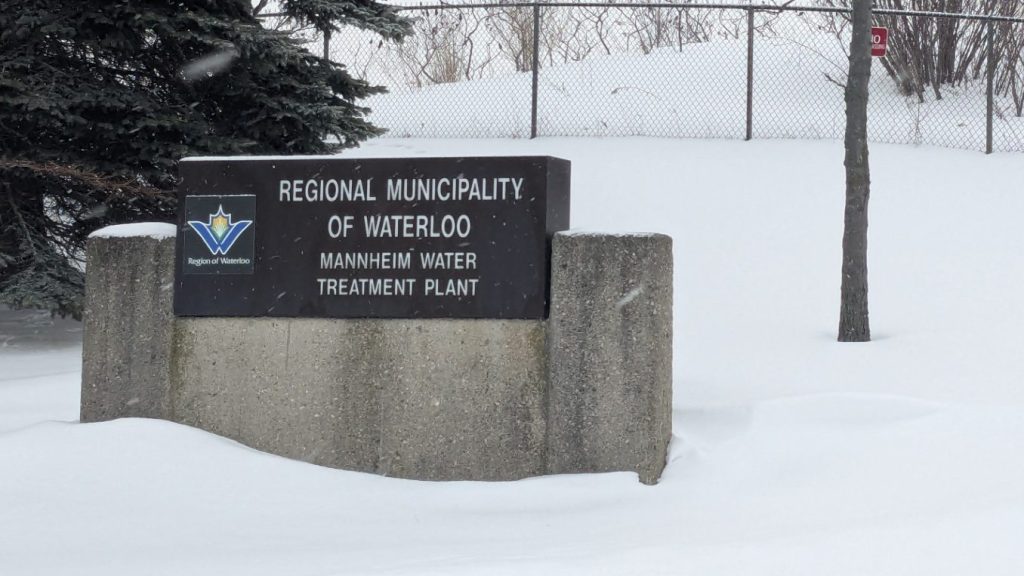
“I see the Mannheim Treatment Plant and the situation we’re in, I hear the speakers talking about their wells running dry and their wetland gone,” said Foxton. “I’d like to see Mannheim, I’d like to see the other plants, how much they’re producing, and where the region as a whole sits. I don’t want to take water from Wilmot if it’s going to hurt other people.”
Other councillors agreed with those remarks, deciding to, instead, defer the motion to a future council meeting. They said this would give councillors proper time to look over the details, and give regional staff the opportunity to look into the potential impacts.
That motion is set to be brought back once again next month, on Wednesday, March 25.