Region pushing towards potential solutions for water capacity issue

Posted Jan 6, 2026 06:23:03 PM.
Last Updated Jan 7, 2026 10:54:43 AM.
The Region of Waterloo confirmed its ongoing water capacity issue, saying that aging infrastructure and continued growth are exceeding what it has available through the current water system.
It’s centred around the Mannheim Service Area, which supplies water to Kitchener, Waterloo, as well as parts of Cambridge, Woolwich and Wilmot.
The region stated that it discovered the issue around a month ago, as staff members continued to work and implement updates to its water supply strategy.
“As soon as they saw this coming up, they realized that the methodology we had been historically using needed to be changed to better reflect how the system actually works,” said Mathieu Goetzke, Acting Chief Administrative Officer with the Region of Waterloo.
Since that initial discovery, a third-party peer review confirmed the region’s technical findings, now saying that a change in methodology is needed to better meet the capacity required as the municipality continues its trend and push towards being 1-Million Ready.
Goetzke specified that a large amount of that work centres around what’s known as the water capacity and operational resiliency buffer.
“Especially as infrastructure ages, we need to protect that operational resiliency buffer,” he said. “We need that ability to continue to do preventive maintenance, active maintenance, and repairs to the system to make it sustainable for the future.”
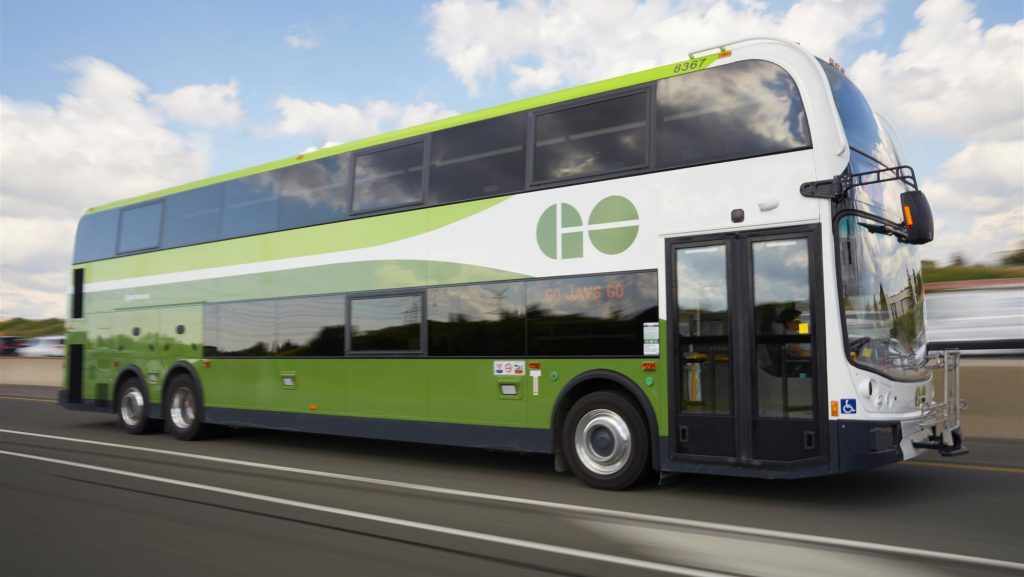
Goetzke used the analogy of buses, saying that if the region had 15 units in total, it would only be running 10 actively, allowing five to be repaired and maintained in a cycle at any given time.
He said that the more that are in circulation at any given moment means fewer are being properly looked after, which could lead to an increased chance of potential breakdowns, leading to service problems.
“The first step is to really work on (finding) what these pieces of infrastructure are that are really critical to be able to solve, first the operational resiliency buffer problem to create that capacity for good maintenance of the system, and then after that for growth,” Goetzke stated. “I think the work for that set of projects that we’re thinking about is something that may come at the end of Q1 of 2026.”

While issues around water can create a stir across the community, Goetzke wanted to stress that the water itself is not facing any issues: still drinkable and usable as residents regularly would.
“They can go about their regular daily lives,” Goetzke mentioned. “I think it’s always good to remember that water is a precious commodity; it’s fundamental to the way that we live, especially in Waterloo Region, where we are dependent on groundwater. I think it’s important to just have that in mind.”
The region’s developments and projects may need to be pushed back or rejected as a whole until the full issue, as well as potential solutions, are all properly laid out, he said.
In a statement, the region said, “New infrastructure will be required for the region to be able to support the approval of development applications or enter into any new service agreements that create additional demand on the Mannheim Service Area water system.”
The potential solutions to the water capacity issue are already in the works for regional staff, who are looking to lock in potential details. Goetzke said that there’s a lot that the municipality already has set, or will simply need to expedite ahead of schedule.
“We’re going to start with stuff that’s ready to go. The first things that will happen will be ideas that were already in stock. There’s a whole bunch of projects that already exist in our 10-year capital program and just need to be accelerated,” Goetzke mentioned. “I imagine there will be some new ideas too, and so that’s why we’re trying to get both area municipalities and industry experts to really think it through and then prioritize the right things.”
Those initial ideas are set to be brought to a regional committee on Tuesday, Jan. 13.