City of Waterloo locks in 2026 budget, average $107 property tax hike

Posted Dec 9, 2025 07:13:33 AM.
Last Updated Dec 9, 2025 11:35:16 AM.
The City of Waterloo has placed its seal of approval on the 2026 budget, approving a 6.4 per cent property tax increase for next year.
It now marks the largest property tax increase that councillors have approved throughout their ongoing term, as well as the largest increase that the city has seen in over a decade.
Waterloo is the second of the Tri-Cities to approve its budget numbers so far, with Cambridge already approving its 2.4 per cent increase, along with an average property tax increase of $42.
The City of Kitchener is still mulling over its proposed 2.2 per cent increase for 2026, along with the average $29 increase for property taxes.
“I want to stress that council and staff recognize that affordability is a real challenge for many residents,” said Waterloo Mayor Dorothy McCabe. “The cost for housing, groceries, utilities, and everyday essentials continues to rise, and we recognize that every increase matters.”
She stated that various aspects, including inflation and trickle-down impacts from provincial legislation changes, were also key contributors to the listed property tax increase.
“Despite significant external pressures, staff have delivered a net-zero adjustment that maintains our previously approved rate,” stated McCabe. “With the cost pressures the City has and is continuing to face, this is an accomplishment we should all recognize.”
The combined totals, adding to the 6.4 per cent increase, include a 3.5 per cent rise in base budget and operating impacts as well as a 2.9 per cent increase for service level changes and investments in local infrastructure.
City staff also stated that a major focus through the 2026 budget process was to ensure that no costs were deferred onto future councils, with this being the final budget confirmation of council’s three-year plan, all ahead of an upcoming election in October 2026.
“Staff had the goal of maintaining a balanced budget at the previously approved property tax rate and avoiding deferring committed costs to the next budget, because isn’t that kind of easy? To push it forward to a future council,” asked Councillor Diane Freeman, who also acts as the city’s Finance Liason.
Key initiatives detailed in the 2026 budget include:
- Funding for the phased-in Fire Master Plan expansion, along with eight additional firefighters
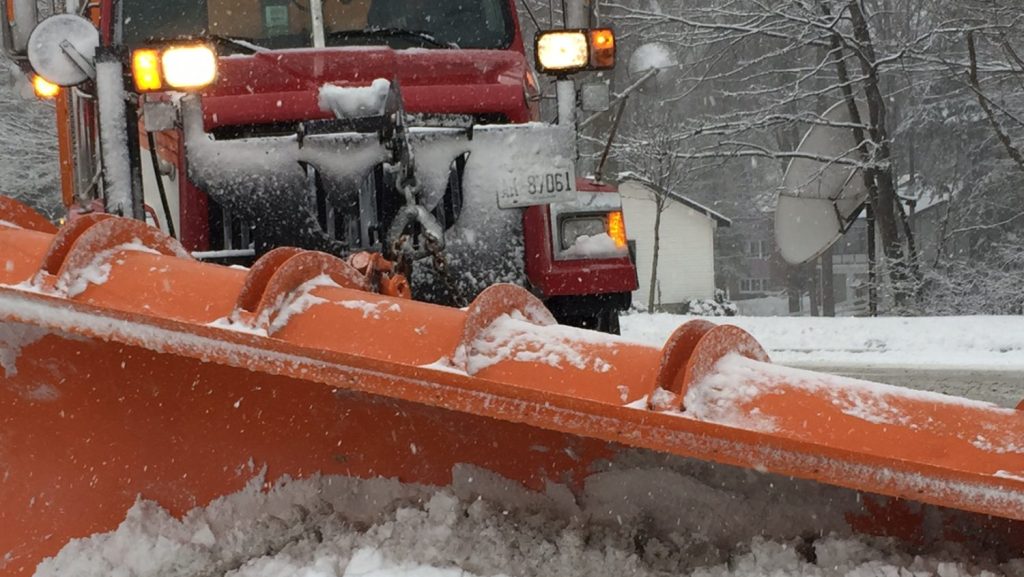
- Continuation of the phased-in Winter Sidewalk Maintenance Service Enhancement
- An additional transportation engineer supervisor
- Increasing preventative building maintenance funding
- Additional infrastructure funding to assist in closing the $43 million average annual funding gap
She stated that it was important for councillors and staff to keep affordability and committed costs in mind throughout the process, also hoping that the rate increase would ensure better stability and prepare the city for the years to come.
“This budget keeps our community safe, maintained and moving,” said Freeman. “We continue to close our infrastructure funding gap while supporting our roads, parks, snow clearing, fire services, recreation programs, community facilities and more.”
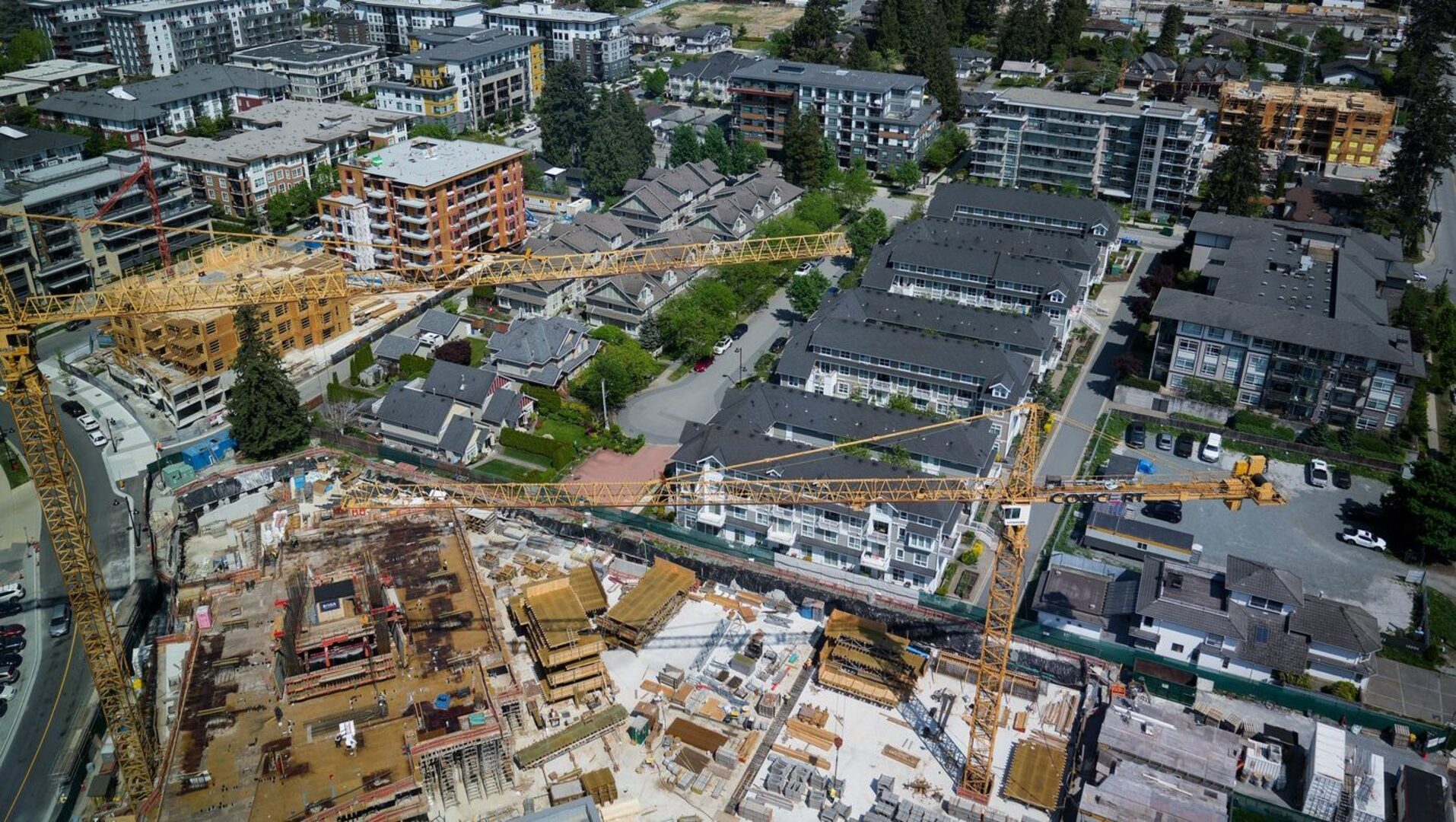
One other aspect that was considered throughout the budget process for the city was its slower-than-expected growth rate through 2025, with Mayor McCabe saying it impacted the final number.
“Unfortunately, in 2025, we have experienced slowed assessment growth and are $823,000 below target,” said McCabe. “That, in and of itself, is just shy of a 1 per cent impact on our property tax rate.”
With the budget now affirmed by the city, residents will still need to keep an eye on the regional impact to their property taxes. The Region of Waterloo is currently proposing an almost 5 per cent property tax increase.
It’s currently slated to be discussed and potentially decided on Tuesday, Dec. 16.