Regional councillors support plans for LRT expansion into Cambridge

Posted Nov 5, 2025 07:25:11 AM.
Last Updated Nov 5, 2025 10:54:47 AM.
Plans to expand the LRT into Cambridge passed another hurdle at regional committee on Tuesday, but a loud minority in the community opposes a full expansion into the city’s downtown core.
Staff’s recommendations for Phase 2 of LRT expansion passed at the Region of Waterloo Sustainability, Infrastructure, and Development Committee on Tuesday, a 15-1 vote in favour, with Cambridge Mayor Jan Liggett representing the only vote against.
Those recommendations include building 17 kilometres of tracks, connecting Cambridge to Kitchener and beyond via ION light rail. When it’s completed, the train will run every seven minutes, taking a 29-minute trip from Fairway Station to Downtown Cambridge.
“To look at the LRT as simply a train, I would say that’s a mistake,” said Cambridge Councillor Scott Hamilton. “What the LRT is is an unparalleled social and economic development creation machine. It’s an unparalleled tool to revitalize a city and take it into the future.”
Hamilton went on to claim that Stage 1 of the project, which includes the ION tracks running through Kitchener and Waterloo, has already led to $5.25 billion in development along the Central Transit Corridor.
“The world is watching us, and they’re making investments as a result of it,” said Joseph Puopolo, a Cambridge entrepreneur who delegated on Tuesday. “When our country is abroad making trade missions to try and bring new jobs and new opportunities back to the community, this is our moment.”
Of the 20 delegates who spoke at the regional committee on Tuesday, the majority were in favour of the full LRT expansion. Zooming out, over 2,500 residents responded to a survey on EngageWR earlier this year, with 78 per cent indicating that the full connection from Fairway Station to Cambridge was their preferred option.
However, Cambridge Councillor Helen Shwery claims to have spoken to 1,000 Cambridge residents about the LRT expansion and said that only three residents out of that group voiced their support for the project.
“There’s a point where taxpayers can’t afford it,” said Shwery. “If we want growth, we have to tell the taxpayers, ‘OK, this is what we’re going to give you, but don’t forget, your taxes will be going up.’ Right now, five per cent, I’m getting a lot of emails, people are upset. What do you think it’s going to be with (the LRT expansion)?”
Shwery has previously called for a plebiscite on the issue, to ask Cambridge residents to vote on whether or not they’d be in favour of the LRT expansion.
While regional staff are looking for the project to be fully funded by provincial and federal dollars, the price tag of the project has been a sticking point since the beginning. The price of construction to build between Fairway Station and downtown could be $3.1 billion in 2025, rising to $4.3 billion by 2033.
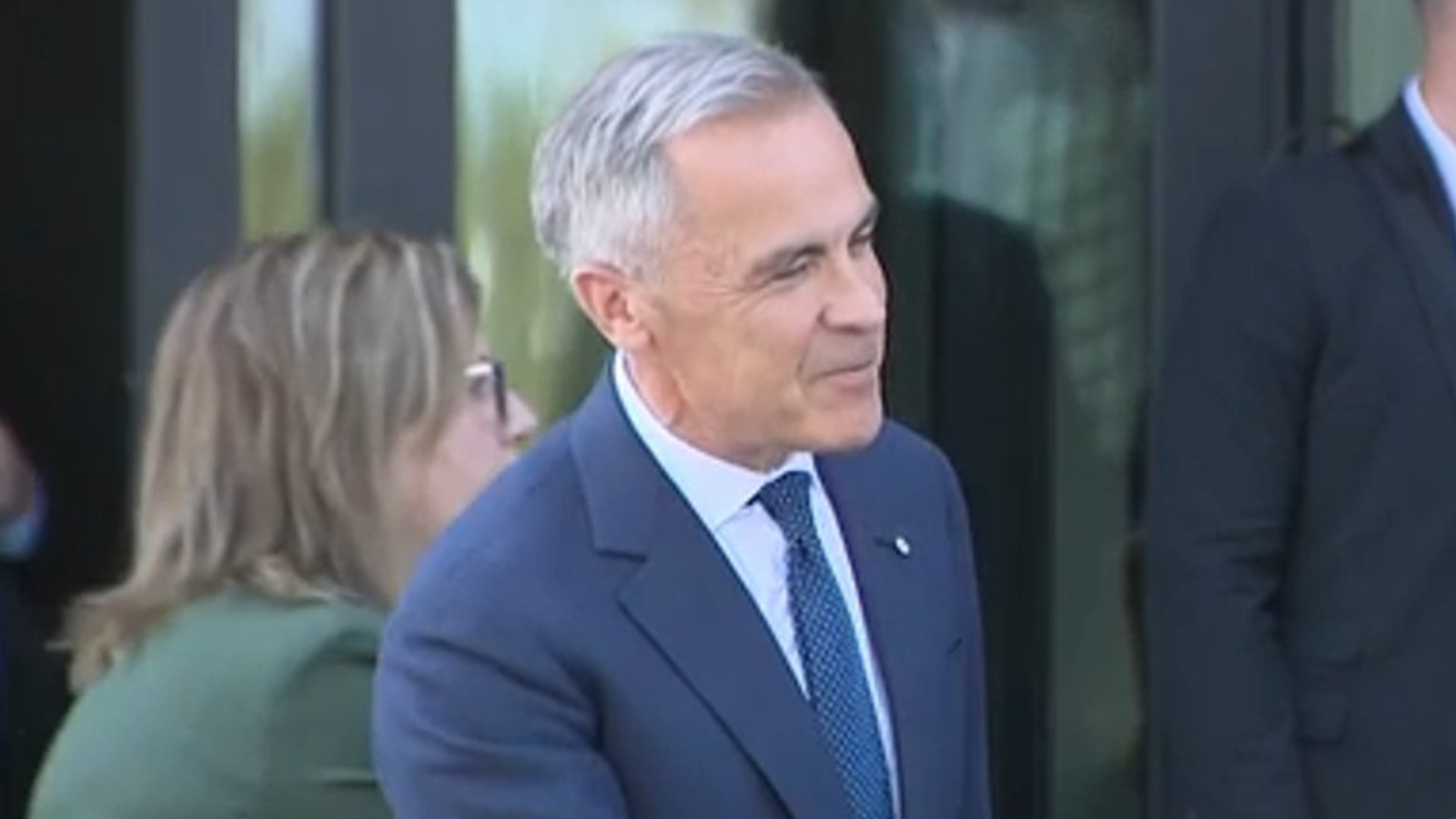
Prime Minister Mark Carney’s government are currently in the budgeting process, and has tabled its budget plans as of Tuesday. Cambridge Mayor Jan Liggett worries that the cost of the project could keep higher levels of government from investing.
“The cost of this is going to be something that could lose us any potential federal or provincial funding, particularly in today’s time,” she said. “The new federal budget is coming out, and Prime Minister Carney has already said that you’re not getting something that you don’t need.”
Some of those who rejected the full expansion of the LRT preferred one of staff’s cheaper options: providing Bus Rapid Transit connections for Cambridge commuters to Fairway Station in Kitchener.

Long-time politician Tom Galloway was another delegate at Tuesday’s meeting, claiming that the region should demand that the province fund the infrastructure needed to grow the population.
“The Ontario government has decided to make our region a provincial population growth area,” said Galloway. “We should rightly expect and demand that they fund the necessary infrastructure projects to facilitate this growth: new and redeveloped healthcare facilities, expanded area highway systems, and top-tier transit infrastructure, not a second-class bus system.”
The next steps in this process include regional staff pushing for full project funding from the provincial and federal governments, and locally, requests for additional staff and capital funding to be detailed during the 2026 budget process.