Bat in Stratford tests positive for rabies; one person bit
Posted Jun 12, 2024 07:06:37 AM.
Last Updated Jun 12, 2024 11:29:41 AM.
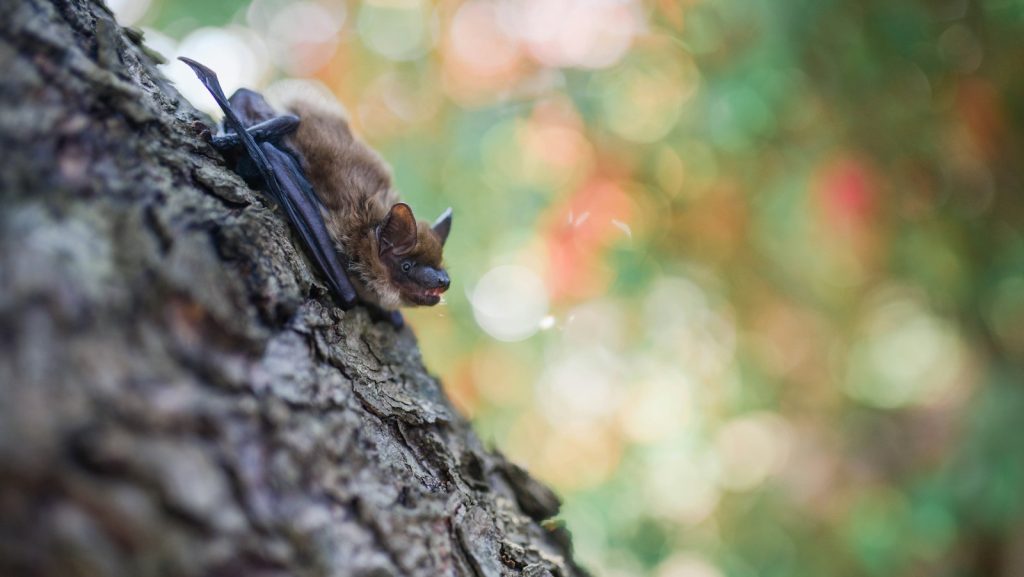
One person is currently in the care of Huron Perth Public Health (HPPH), after being bit by a rabid bat in Stratford.
HPPH officials confirm this is the first bat to test positive for the rabies virus this year, noting around one to three per cent of Ontario’s bat population is infected.
The person who was bit is receiving rabies post-exposure treatment, which the health unit said will prevent them from developing the infection themselves.
“If you are bitten or scratched by a bat, or if infectious material (such as saliva) from a bat gets into your eyes, nose, or a wound, wash the affected area thoroughly and seek immediate medical attention,” Patrick Landry, public health inspector, said.
The rabies virus is fatal to humans, “If you awaken to find a bat in your room, a child’s room, or the room of another household member, call HPPH.”
Some other tips to avoid the rabies virus:
- Have your pets vaccinated for rabies; it is the law in Ontario that all cats, dogs, and ferrets over 3 months of age are vaccinated for rabies.
- Walk your pets on a leash and keep them inside at night
- Don’t feed or touch wild, stray, or unknown animals
- Don’t leave food out
- Avoid animals that appear sick or are acting strange
- Don’t trap wild animals
- Don’t keep wild animals as pets
- Bat-proof your home or cottage:
- Caulk holes in the exterior, even those as small as one-quarter to one-half inch in diameter.
- Tighten screens, cap your chimney, place draft guards under doors leading to the attic and outside, and fill plumbing fixture holes with steel wool or caulk.
- Keep doors tightly closed when going outside and coming back indoors.
- Bats remain active until cooler weather arrives. They generally begin to hibernate around November.