Chronic homelessness rising in region but not at the same pace as before
Posted May 6, 2025 03:57:02 PM.
Last Updated May 6, 2025 03:57:11 PM.
Waterloo Region’s ambitious Plan to End Chronic Homelessness (PECH) has just past the one-year mark and the Community and Health Services committee was provided an update from staff on Tuesday morning.
The mid-year update detailed some of the early results of investment in the program through the 2024 budget. The progress of equity work within PECH and provided more information about the data strategy under development.
The committee was first updated on the 2024 Point-in-Time (PIT) count, a federally mandated count of people experiencing homelessness in the region. Those individuals were also asked to fill out a survey about their homeless experience.
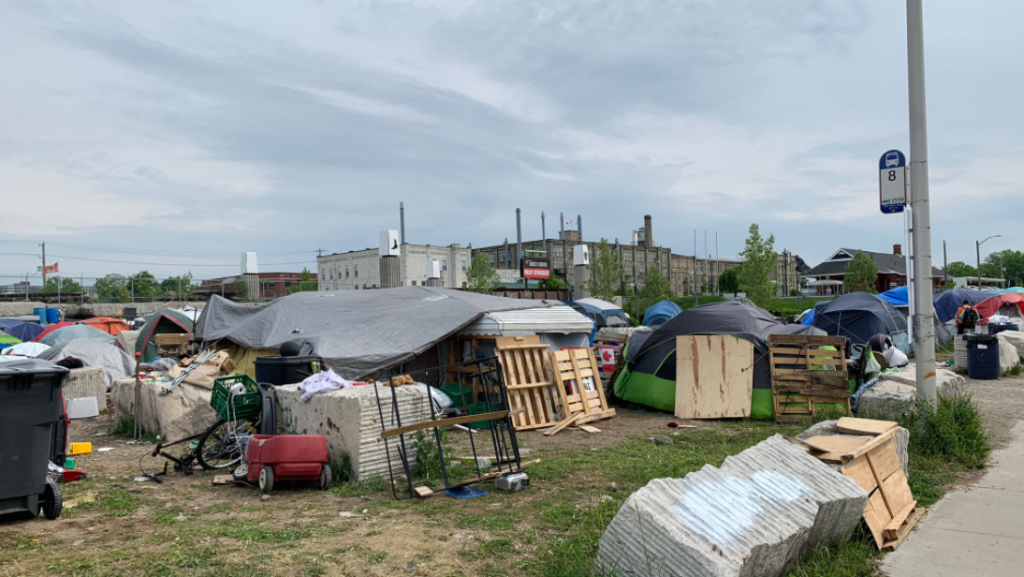
There were 2,371 individuals experiencing homelessness. Of those, 1,790 filled out the survey which showed around 78 per cent reported experiencing chronic homelessness, which is defined as being without shelter for more than six months.
“The PIT count also saw an increase in the number of respondents in emergency shelters and transitional housing sites. This speaks to the service expansions within these spaces with the support of community partners and regional council,” said Chris McEvoy, manager, Homelessness and Supportive Housing, Region of Waterloo, as he addressed the committee.
“This data is concerning. It shows what community and co-creators have been concerned about and reiterates what the PECH co-creation process has found. The number of people experiencing homelessness in Waterloo Region is growing at an alarming rate, consistent with trends experienced across the province and across the country.”
The committee learned that prior to the implementation of PECH, chronic homelessness was increasing by around 28 per cent year-over-year. McEvoy told them, that’s not the case anymore.
“We are not seeing that level of growth over the past 12 to 18 months. The number of experiences of chronic homelessness continues to increase, but not at the same level and pace as prior.”
A key focus going forward will be on increasing equity throughout the system by increasing emergency shelter space for women, Two-Spirit, trans and gender-diverse individuals and continuing to amplify the voices of those with lived experience, among other measures.
Another key focus will be on monitoring the number of individuals accessing emergency shelter space or transitional housing. That will be done through a digital dashboard that is being developed. This will help inform investment focus while also showing the progress toward functional net-zero homelessness.
The next update will come before the Community and Health Services committee, in September.