House strikes deal to extend surveillance powers
Posted Mar 10, 2020 06:05:25 PM.
This article is more than 5 years old.
WASHINGTON — House lawmakers prepared to extend surveillance authorities that expire this month, releasing legislation that could represent a rare bipartisan agreement after members of both parties said they wanted to ensure the tools preserved civil liberties.
House Democrats posted the text of a bill online, readying the legislation for a vote before lawmakers leave Washington at the end of the week. The current provisions expire Sunday.
The bill was the product of bipartisan negotiations between Democrats and House Republican leader Kevin McCarthy, according to an aide to House Speaker Nancy Pelosi and one other person familiar with the talks. They requested anonymity to discuss the confidential negotiations.
It was not clear if the Senate would support the bill. Senate Majority Leader Mitch McConnell has supported renewing the authorities, but his office did not have immediate comment on the draft released by the House.
The revised bill would scale back some current authorities, such as the government’s access to records, attempt to put stronger checks on some surveillance measures and make the process more transparent. Both Democrats and Republicans had sought those reforms to varying degrees.
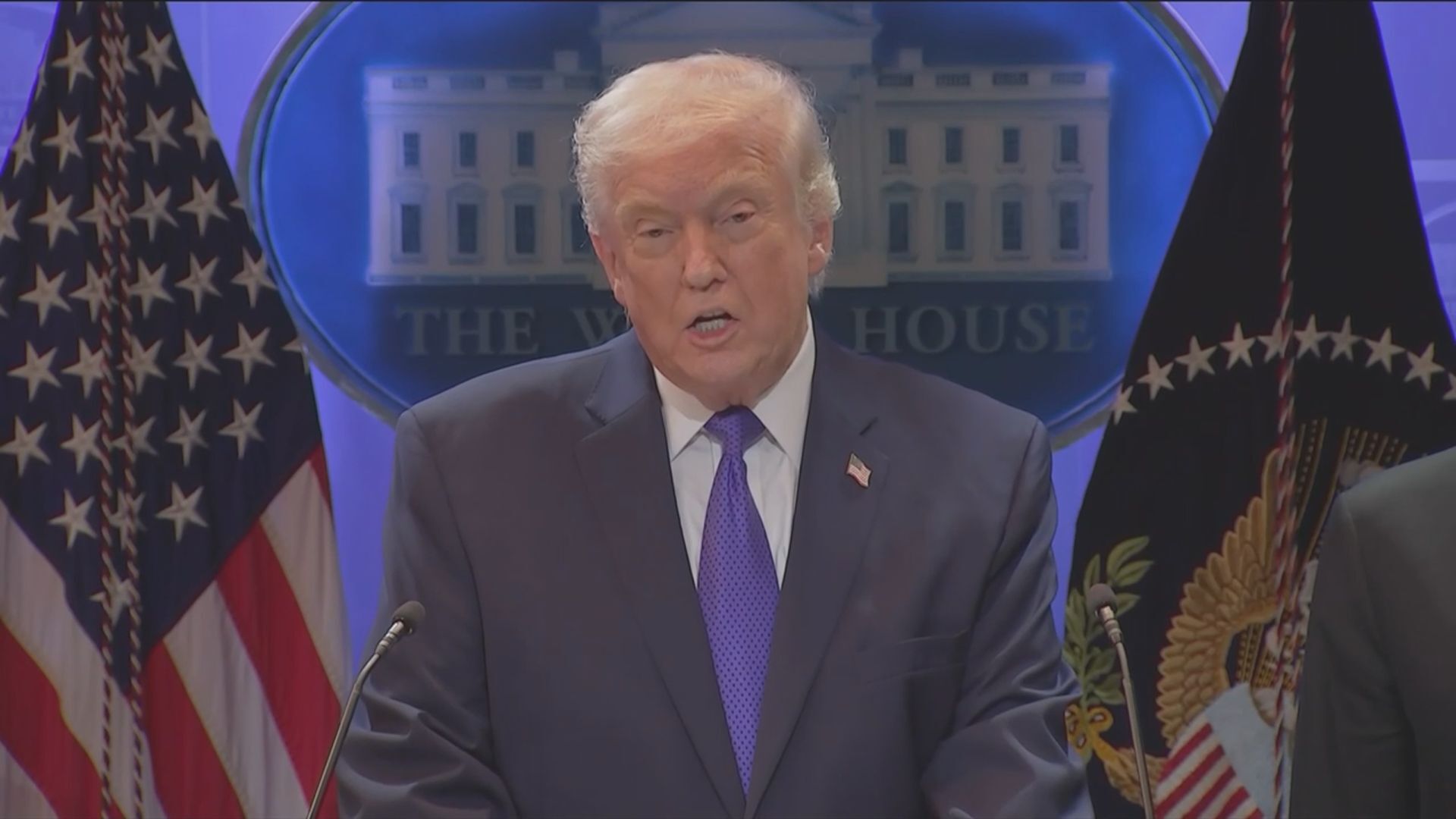
President Donald Trump has long been skeptical of the nation’s intelligence community and has criticized some surveillance laws since one of his former campaign advisers was surveilled during the FBI’s investigation into Russian interference in the 2016 campaign. Trump told Republicans last week that he wouldn’t sign a bill unless it incorporated reforms.
Attorney General William Barr has urged Congress to quickly renew the provisions , which are used by the Justice Department to fight terrorism, with or without immediate changes. McConnell and Pelosi have both been supportive of Barr’s request, but some members of their caucuses slowed the process as they made it clear they wouldn’t support an extension without changes.
At issue are three surveillance provisions, including one that permits the FBI to obtain court orders to collect business records on subjects in national security investigations. Another, known as the “roving wiretap” provision, permits surveillance on subjects even after they’ve changed phones. The third allows agents to monitor subjects who don’t have ties to international terrorism organizations.
The FBI calls the provisions vital in the fight against terrorism and stresses that none is tied to surveillance problems identified by the Justice Department inspector general during its investigation into the Russia probe. The inspector general said in a report last year that the FBI made serious mistakes and omissions during four applications to eavesdrop on the former Trump campaign adviser, Carter Page, including omitting information that did not support their suspicions that Page was an asset of a foreign government.
Mary Clare Jalonick, The Associated Press