The region and municipalities ready to respond to snowstorm
Posted Nov 26, 2025 03:10:45 PM.
While most are used to winter storms, the first major snowfall of the season always deserves a little extra attention.
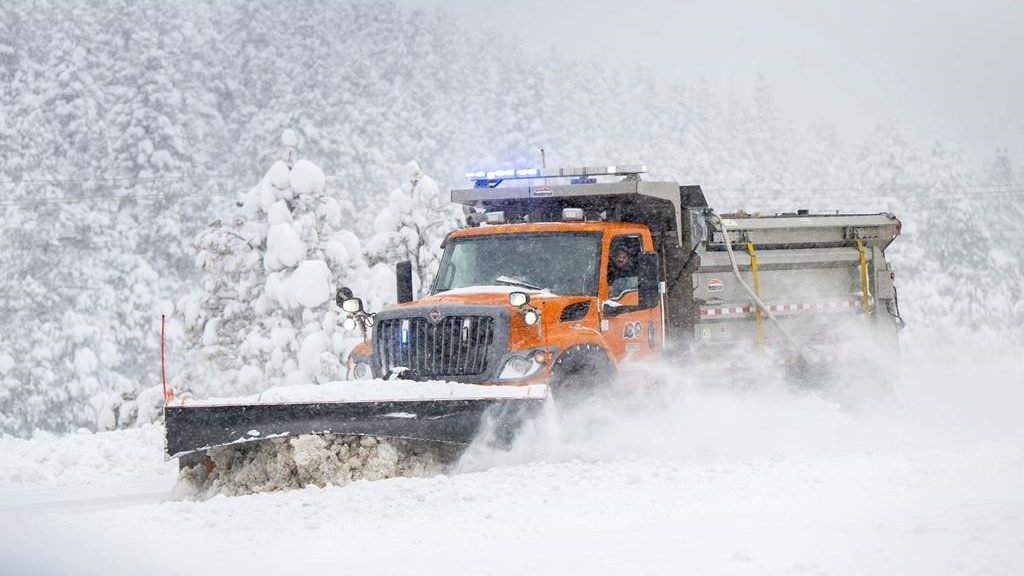
The forecast is calling for enough snow that plows will be out and city crews across Waterloo Region will be getting work once the weather arrives.
Michael Hausser, Director of Operations, City of Cambridge, told 570 NewsRadio there is a protocol for how they determine which roads are plowed first.
“Those are higher traffic roads, roads with higher speed limits. Also roads that Grand River Transit uses for public transit. They also include roads with steeper slopes and curves and things like that. We consider them all ‘priority roads,’ and those are the first to be serviced. We service them while the snow is falling.”
When it comes to plowing residential streets, he said, the protocol is a bit different.
“We have a general threshold of anything more than eight centimetres of snow accumulation on the road in any given storm is when we will send crews to service those residential roads. It really depends on the snowfall, the temperatures and the amount of snowpack that exists on the roads.”
The aim is to have roads and sidewalks cleared within 38 hours of the end of a snowfall, Hausser said. That same timeframe exists for homeowners to clear sidewalks in front of their properties.
A statement to 570NewsRadio from the City of Waterloo reads:
“All staff, equipment and winter control materials are ready for immediate deployment ahead of the upcoming winter weather. If we have 8 cm on the ground, or our forecast is confirmed to be in excess of 8 cm, we’ll declare s snow event which means residents can’t park on city streets – this helps plows clear roads faster. Once the snow stops, we strive to clear roads in 24 hours. We urge everyone to travel with caution during periods of inclement weather.”
Kitchener and Cambridge have similar rules for snow events that prohibit on-street parking. It’s advised that drivers brush up on the regulations in their city.
The Region of Waterloo issued a statement, saying:
“The Region of Waterloo is always ready for winter weather, and the region, cities and townships work together to ensure winter maintenance is timely and efficient for residents. Through area maintenance agreements, city crews take the lead on regional roads within the cities and region crews take the lead on regional roads in the townships. All local roads are maintained by the local area municipalities.”
The municipality also provided tips to ensure you, your home and your vehicle are ready for the season ahead.
Sloppy roads and tricky driving
Get your vehicle winter-ready
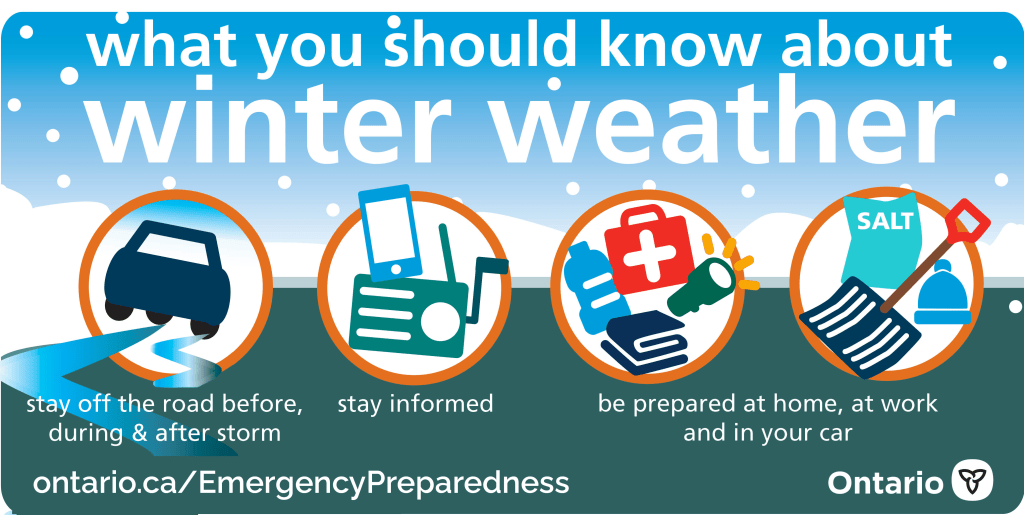
One of the first steps to prepare for winter is to switch your car’s tires to winter tires, which provide better traction on icy and snowy roads. Next, you should assemble an emergency car kit; it’s a vital tool that keeps you safe if you’re stuck on the roadside during bad weather or a breakdown. We recommend including the following items:
- Blanket
- Extra clothes and shoes
- First aid kit with seat belt cutter
- Small shovel, scraper, and snowbrush
- Wind-up flashlight
- Whistle
- Sand, salt, or non-clumping cat litter
- Antifreeze and windshield washer fluid
- Tow rope
- Jumper cables
- Fire extinguisher
- Warning light or road flares
- Hat and mitts
Having these essentials on hand can help you handle unexpected situations and stay safe during winter travel.
Preparing for power outages during severe weather
Sign up for local alerts, such as AlertWR, to receive real-time emergency information via phone, text, or email.
Heavy snow and high winds can often lead to power outages. But taking steps to prepare before these events will help you stay safe and comfortable:
- Assemble a household emergency kit with necessary supplies (learn more about what to put in your kit)
- Develop a household emergency plan, considering the needs of all members, including seniors, children, pets, and individuals with special health requirements
- Explore backup power options such as batteries or portable power banks
- Keep flashlights with batteries in accessible locations
- Maintain your gas tank at least half full or ensure your electric vehicle is charged
What to do during a power outage
If the lights go out, stay calm and follow these steps:
- Assess the situation: Is the outage limited to your home? Check your circuit breaker or fuse box
- Contact your utility provider to report the outage
- Stay informed through battery-powered or wind-up radios, official social media accounts, and local news
- Limit cellphone use to conserve battery life and enable power-saving settings
- Avoid unnecessary travel, as traffic lights may be out and roads unsafe
- Wait 10 to 15 minutes before reconnecting appliances to prevent electrical surges
- Once power is back on, turn on your heating system first, then reconnect your refrigerator and freezer, ensuring they are properly closed
- Avoid touching downed power lines and report them immediately to authorities
Staying safe and prepared
Winter weather can be unpredictable, but with proper planning and precautions, you can protect yourself and your loved ones. Stay informed, prepare your home and vehicle, and know what steps to take during emergencies to ensure a safe and warm winter season.
The Region of Waterloo’s Emergency Management team provides plans and partnerships to ensure our community has a coordinated response to emergencies and disasters.