Kitchener feels postage pinch after spending $1M on paper billing in 2024
Posted Jun 11, 2025 06:59:19 AM.
Last Updated Jun 11, 2025 10:33:21 AM.
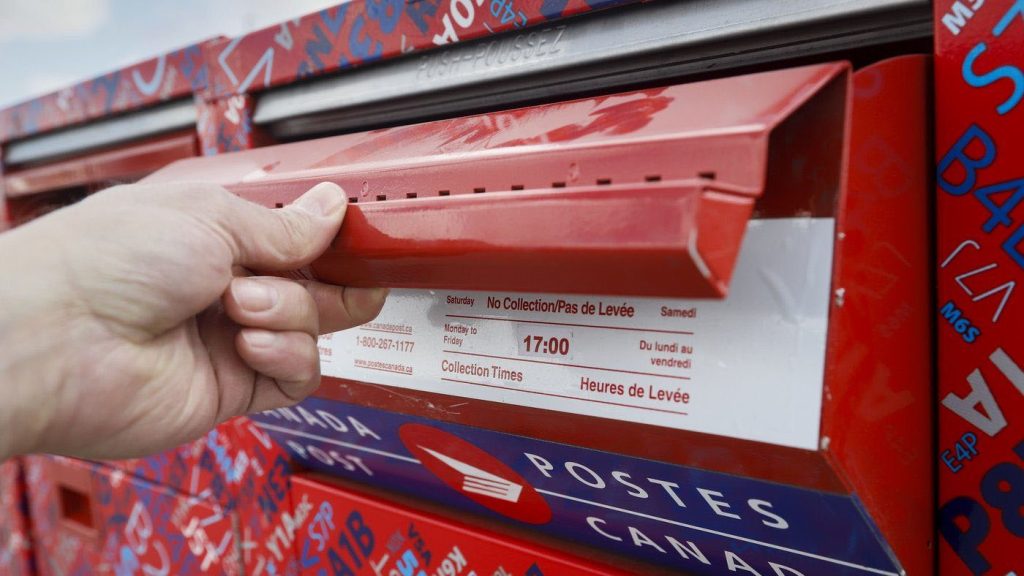
As prices on postage continue to climb in 2025, the City of Kitchener has started to feel the costly strain, with a new report showing it spent around $1 million on postage costs through paper billing last year alone.
It’s a steep bill that could only continue to climb, with Canada Post increasing postage costs by 25 per cent entering into 2025.
The report developed by city staff showed that the primary reason for the high cost comes down to the number of people still using paper billing across the city. It showed that 50 per cent of residents have signed on for e-billing options, while the other 50 per cent still receive bills in paper form.
A majority of the mail being sent out by the municipality consists of property tax and utility bills, accounting for 80 per cent of the total sent, with the other 20 per cent consisting of collection letters, miscellaneous invoices, and other letters sent to customers.
“It is expected that increased postage costs and the threat of postal service disruptions will continue to be a factor due to inflation and labour uncertainty,” said city staff in the report. “Staff have developed three options for council’s consideration.”
Those potential options include a possible $2 charge on every single paper bill being mailed out by the city across the board. The report said this would directly chip away at those costs that are being incurred, estimating that each letter costs around $1.50 for them to send out.
The Township of Wilmot currently employs a similar system, with a $2.50 fee being sent out with each paper bill.
“This approach supports environmental objectives and long-term operational efficiency by reducing reliance on paper-based communication,” the report stated. “However, while financially and environmentally beneficial, this option may disproportionately impact vulnerable populations, particularly seniors, low-income residents, and those with limited digital access or literacy.”
The second option is on a similar line, but would “grandfather in” existing customers on paper billing. New customers would pay a fee for each bill sent out. The report stated that it would begin on Jan. 1, 2026.

“Over time, as more customers enroll in e-billing, the City will benefit from reduced mailing costs, lower carbon emissions, and improved service delivery,” the report mentioned. “One potential drawback of this approach is that it does not directly incentivize current paper bill users to switch to digital billing, which may slow the pace of overall e-billing adoption.”
The third option, the one being recommended by city staff, involves a focus on e-billing promotion through more targeted marketing campaigns. That would include an increase in social media posts relating to e-billing, offering incentives such as contests or bill credits, further in-person and over-the-phone outreach, and more.
“A key challenge with this option is the gradual nature of customer adoption. As the City already has a relatively high percentage of residents enrolled in e-billing compared to other municipalities, further growth may be incremental.”
The full report and list of recommendations are set to be brought forward to council members with the Finance and Corporate Services committee at its upcoming meeting, currently scheduled for Monday, Jun. 16.